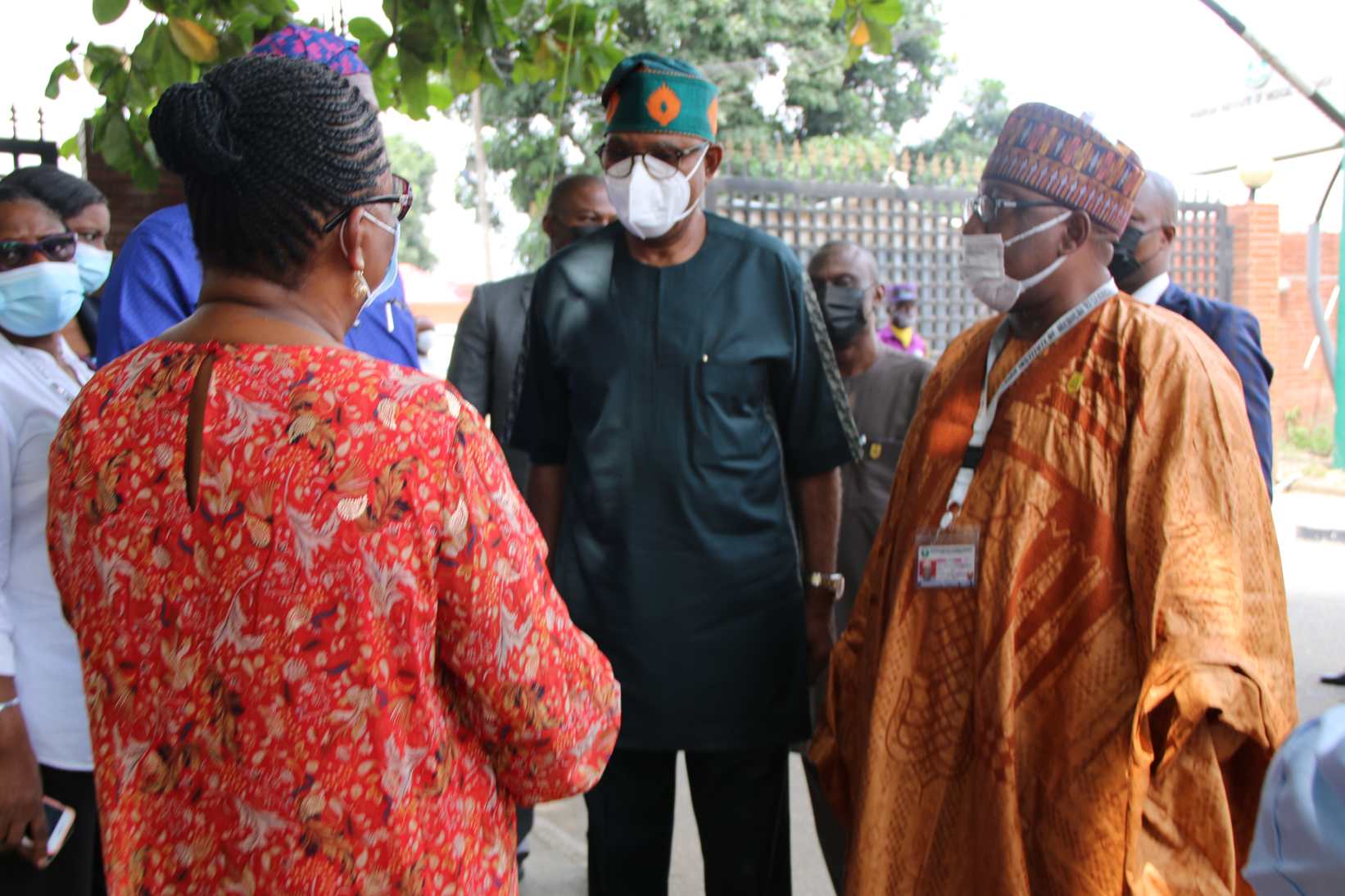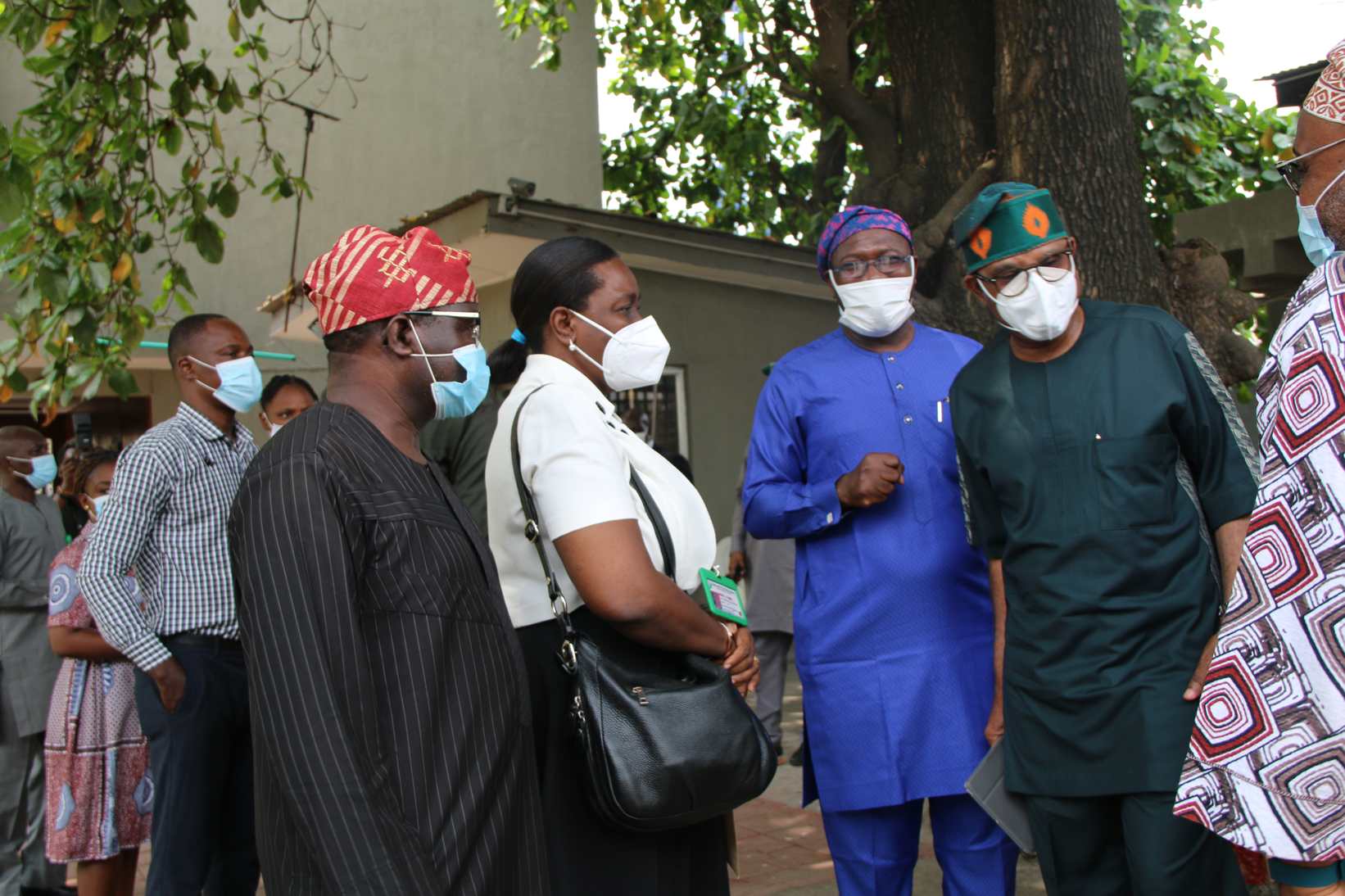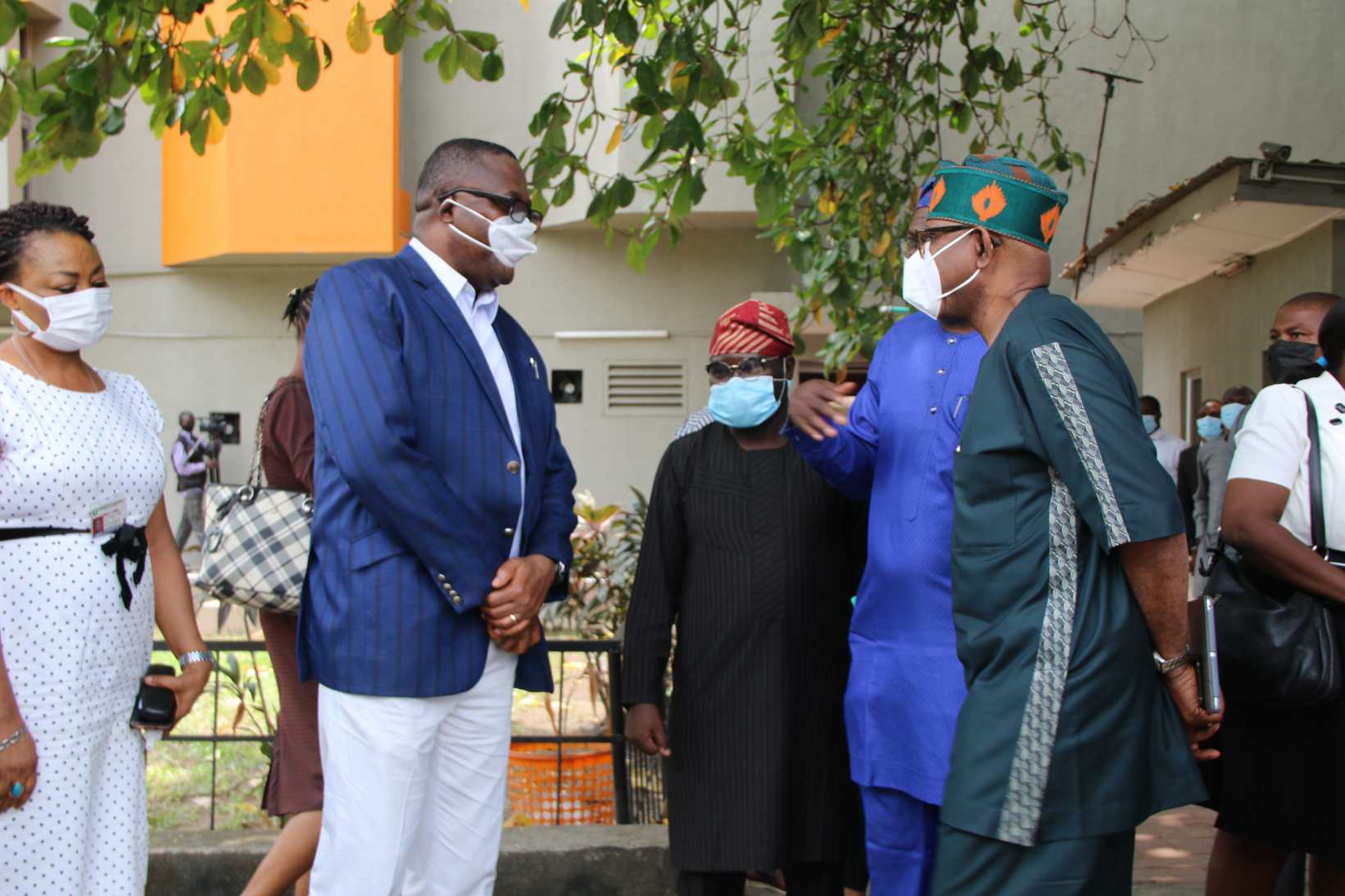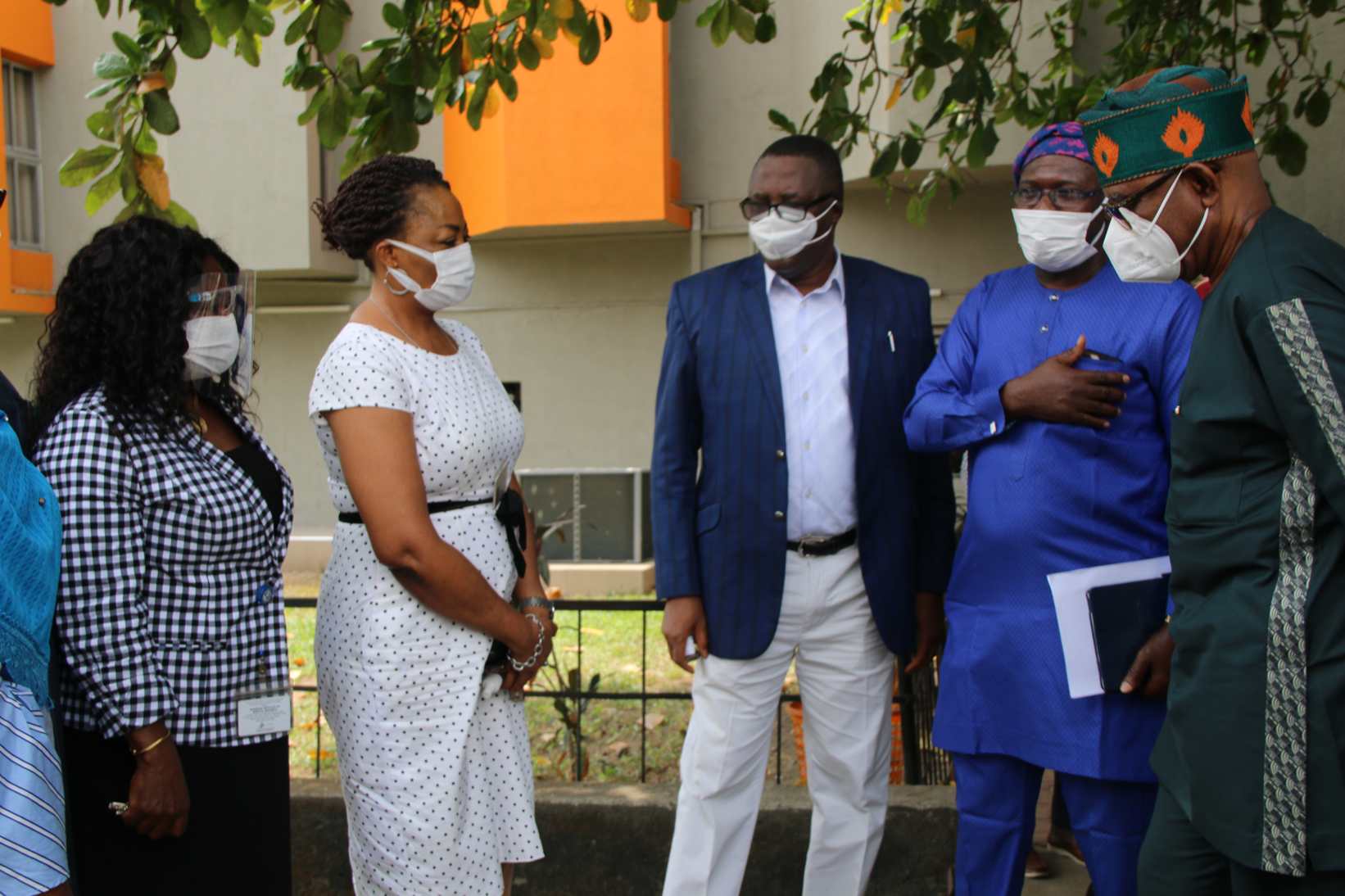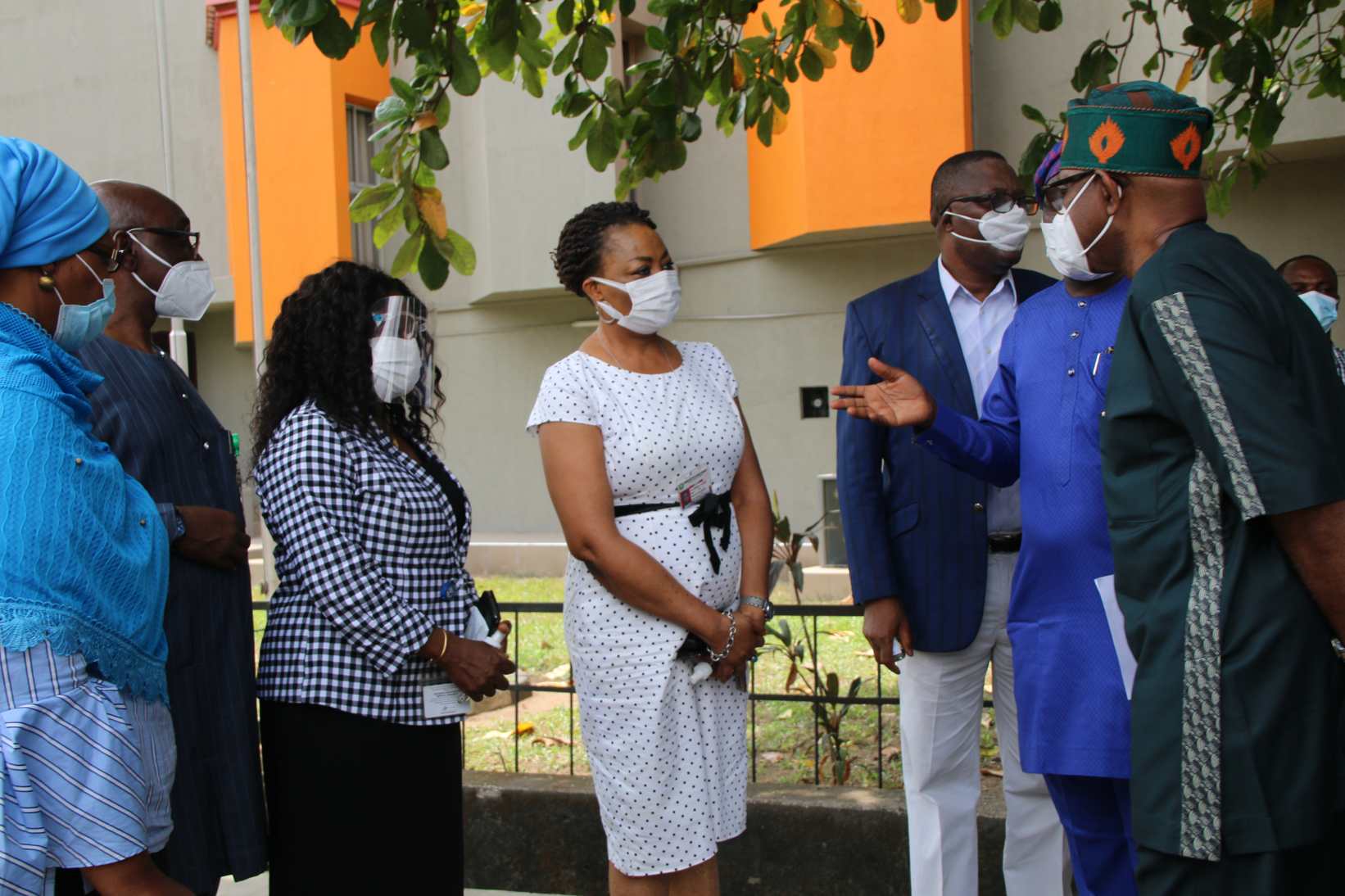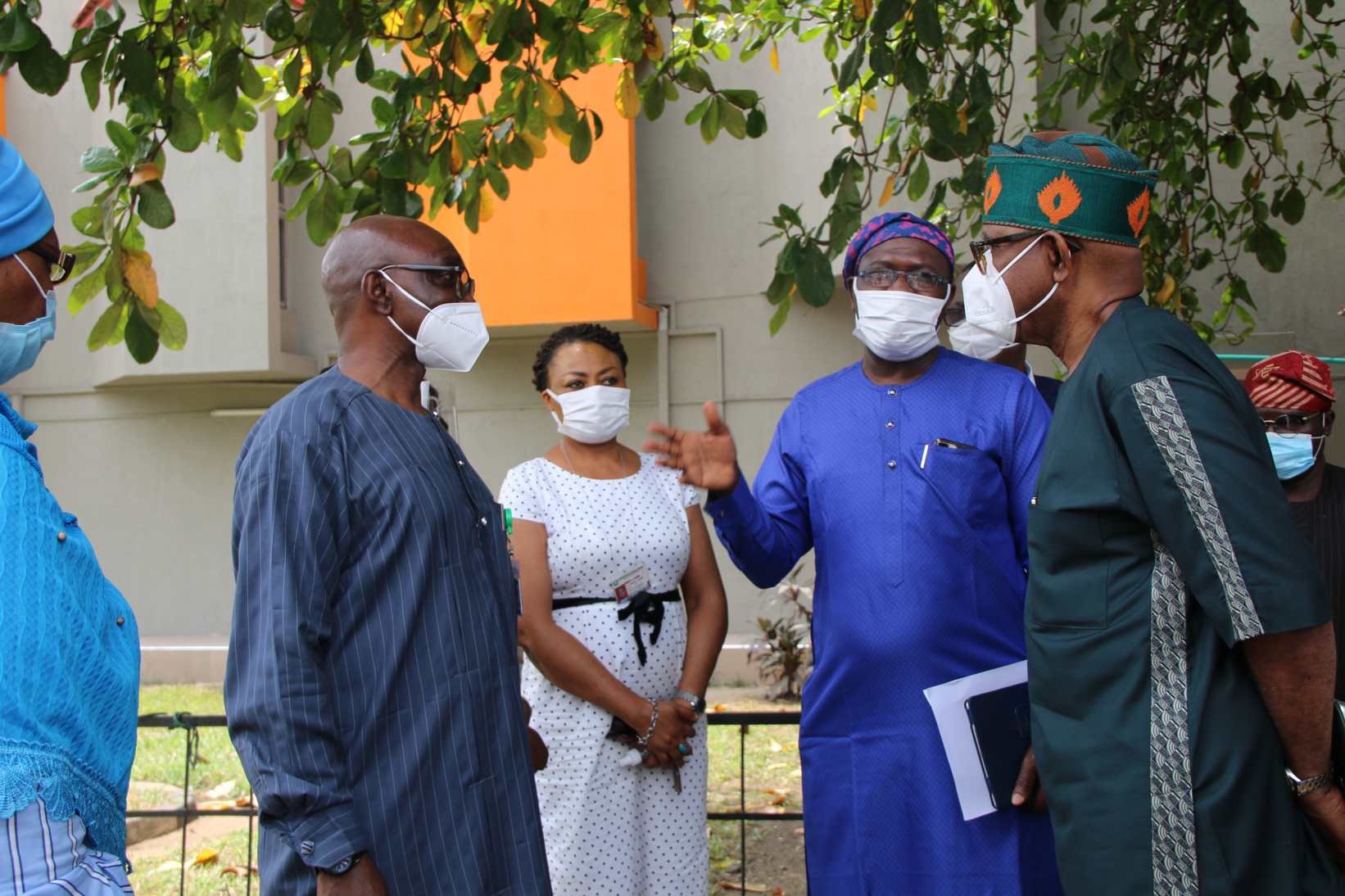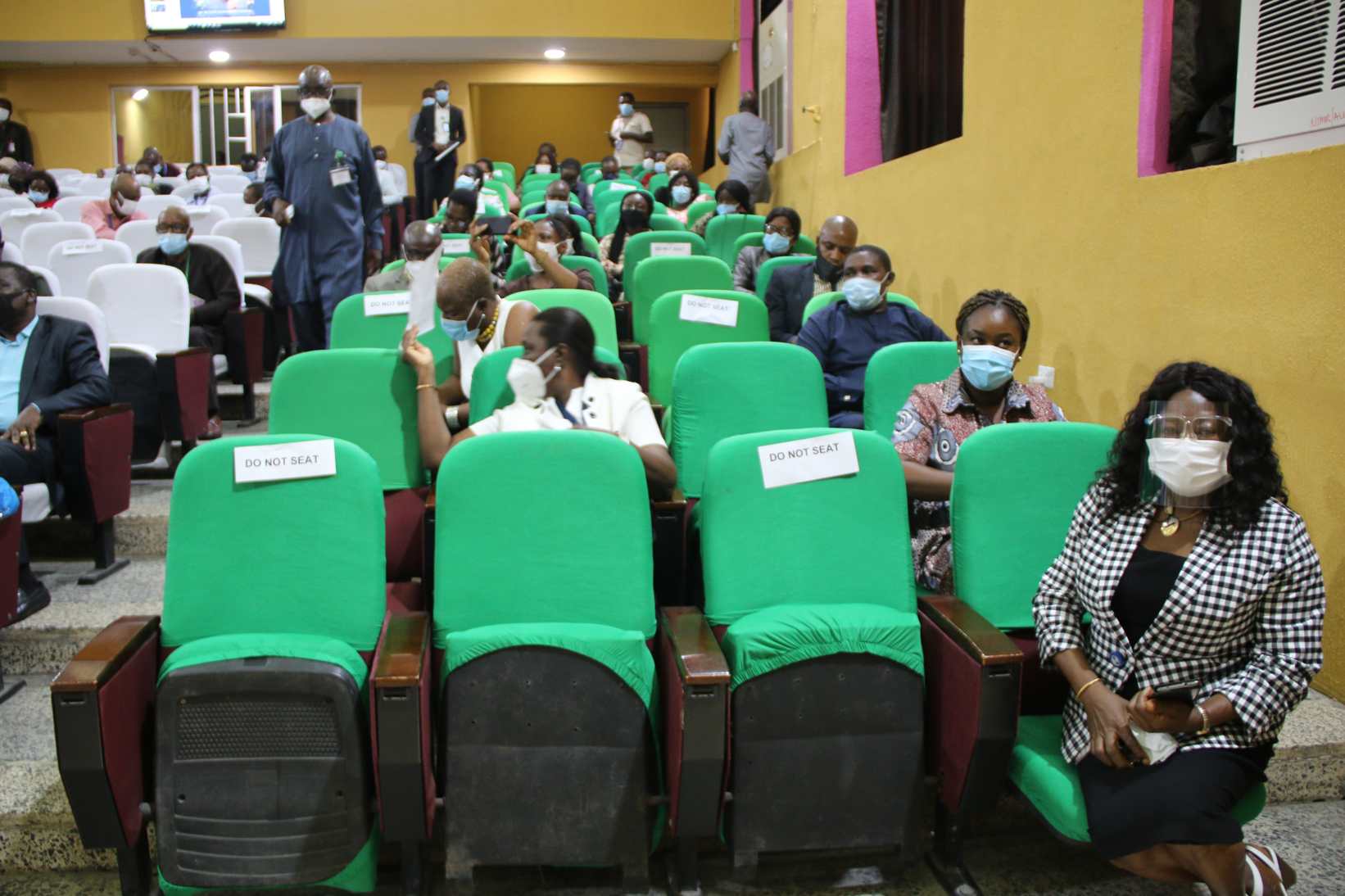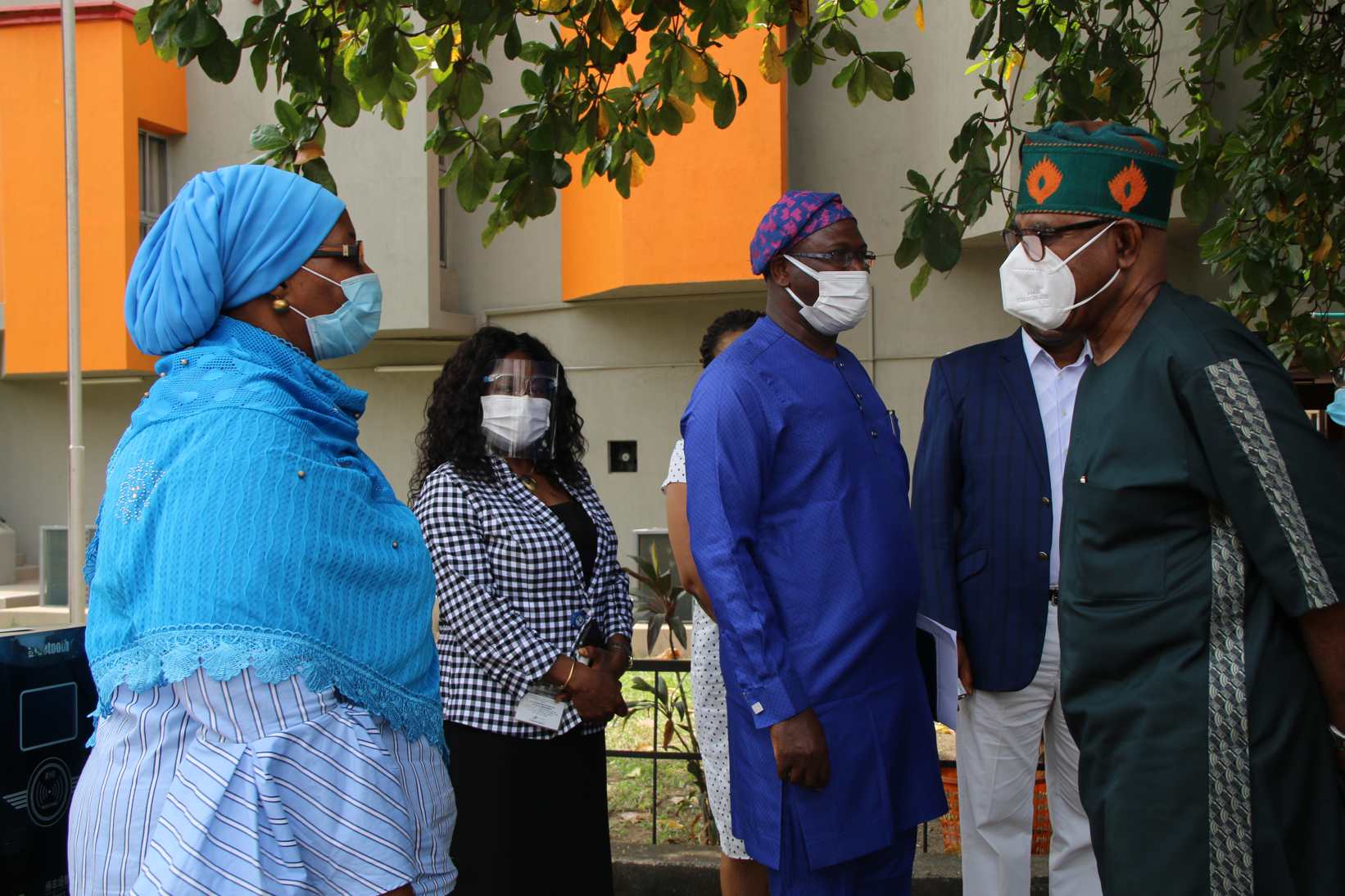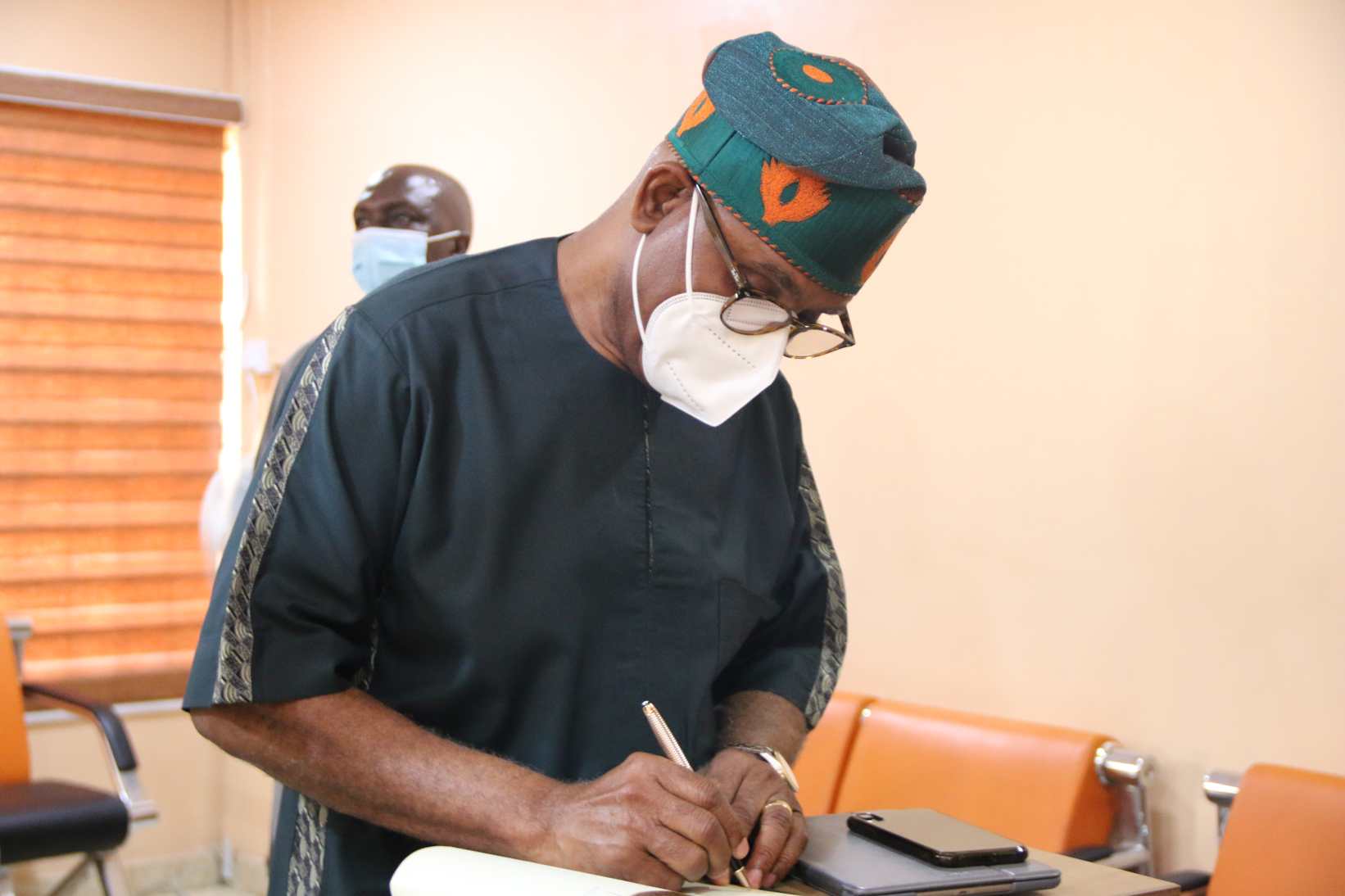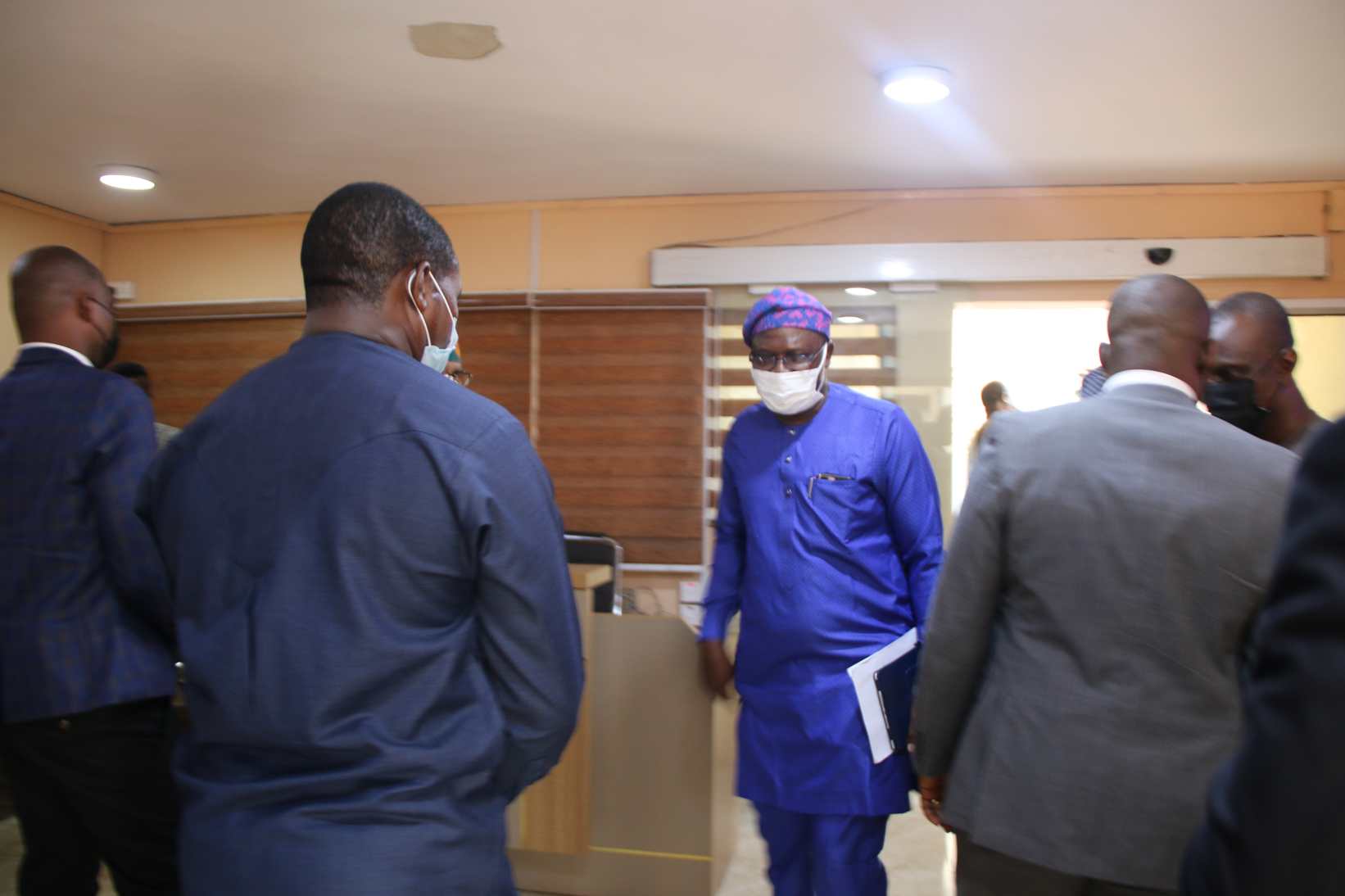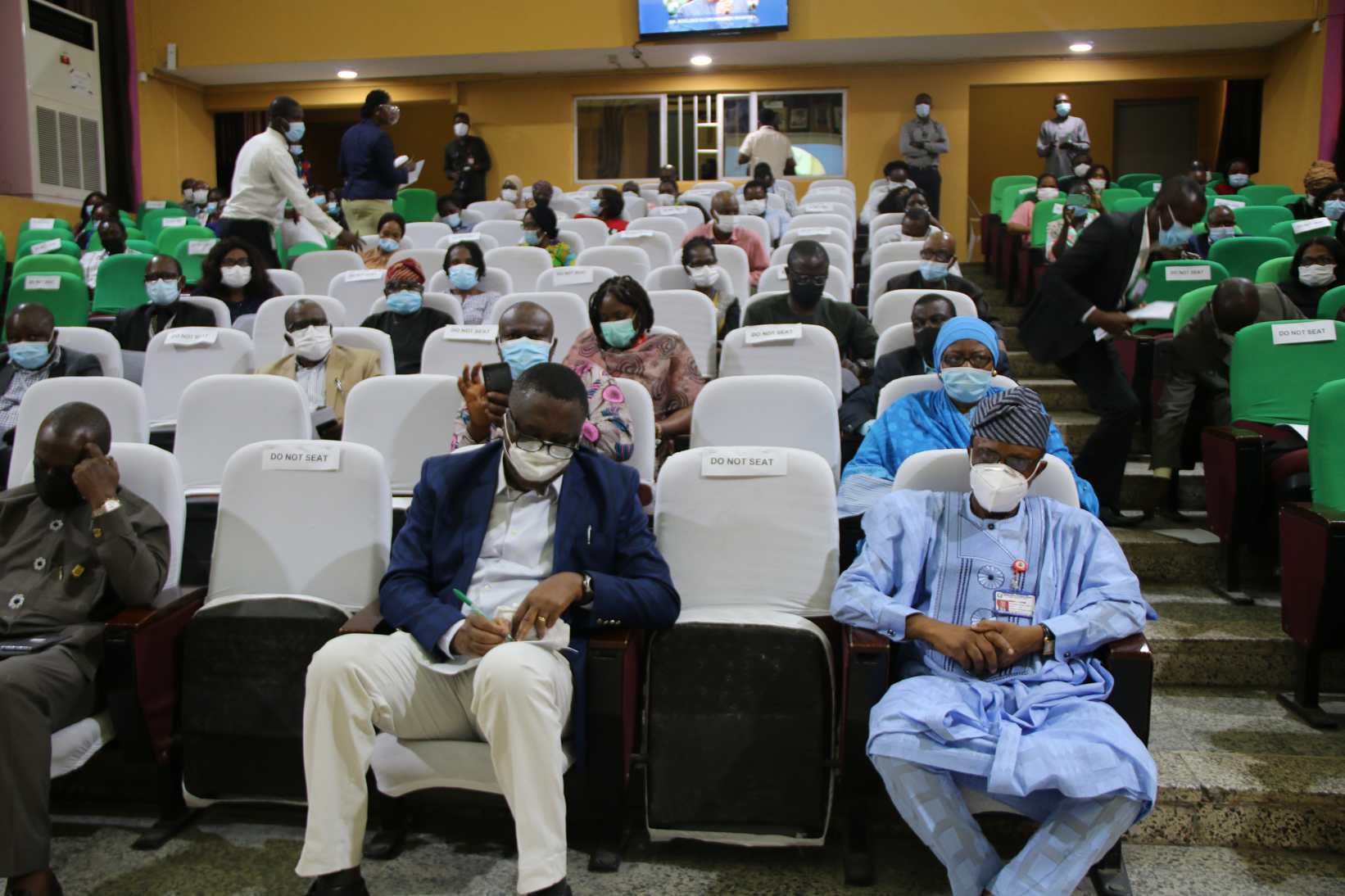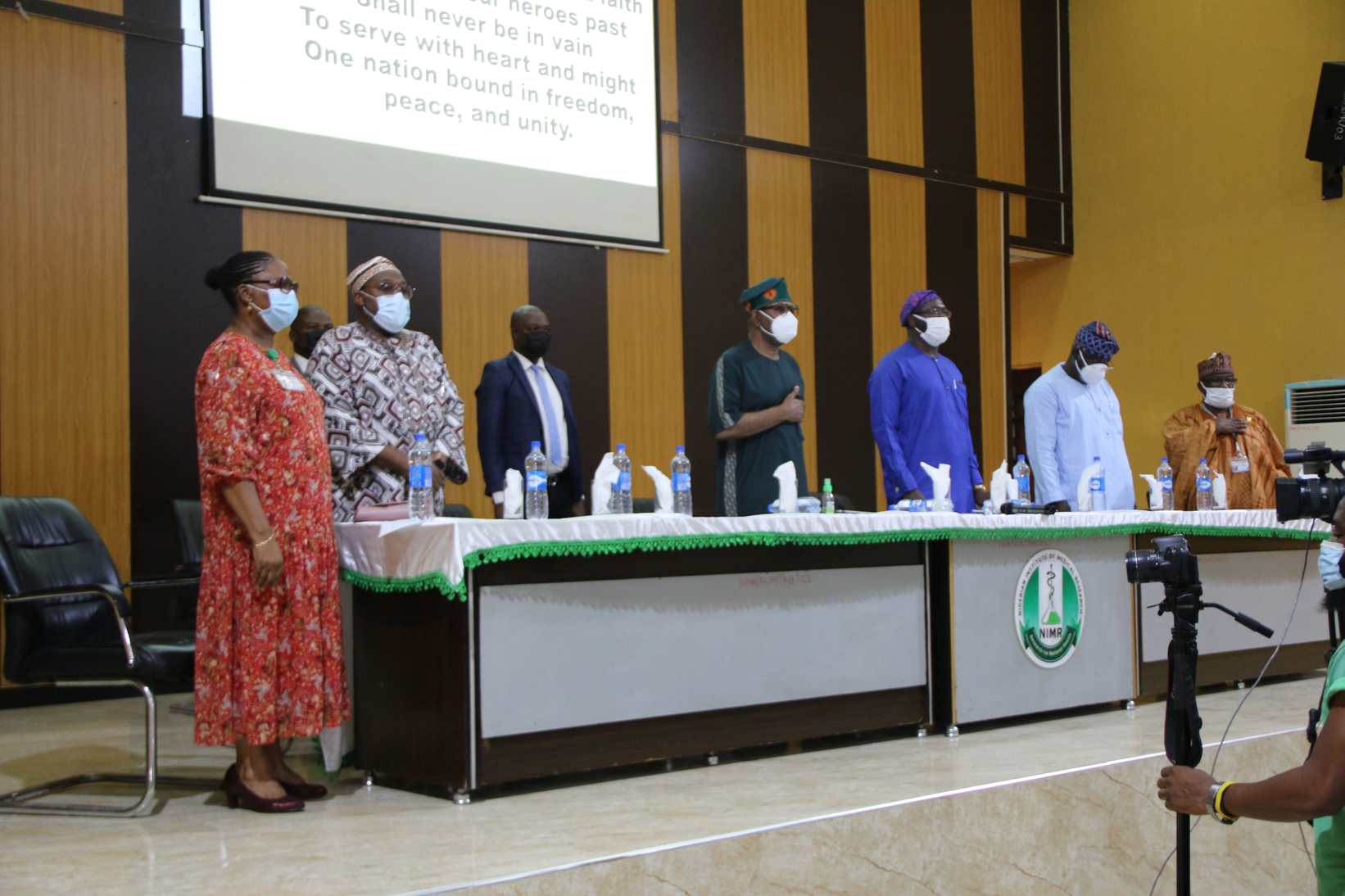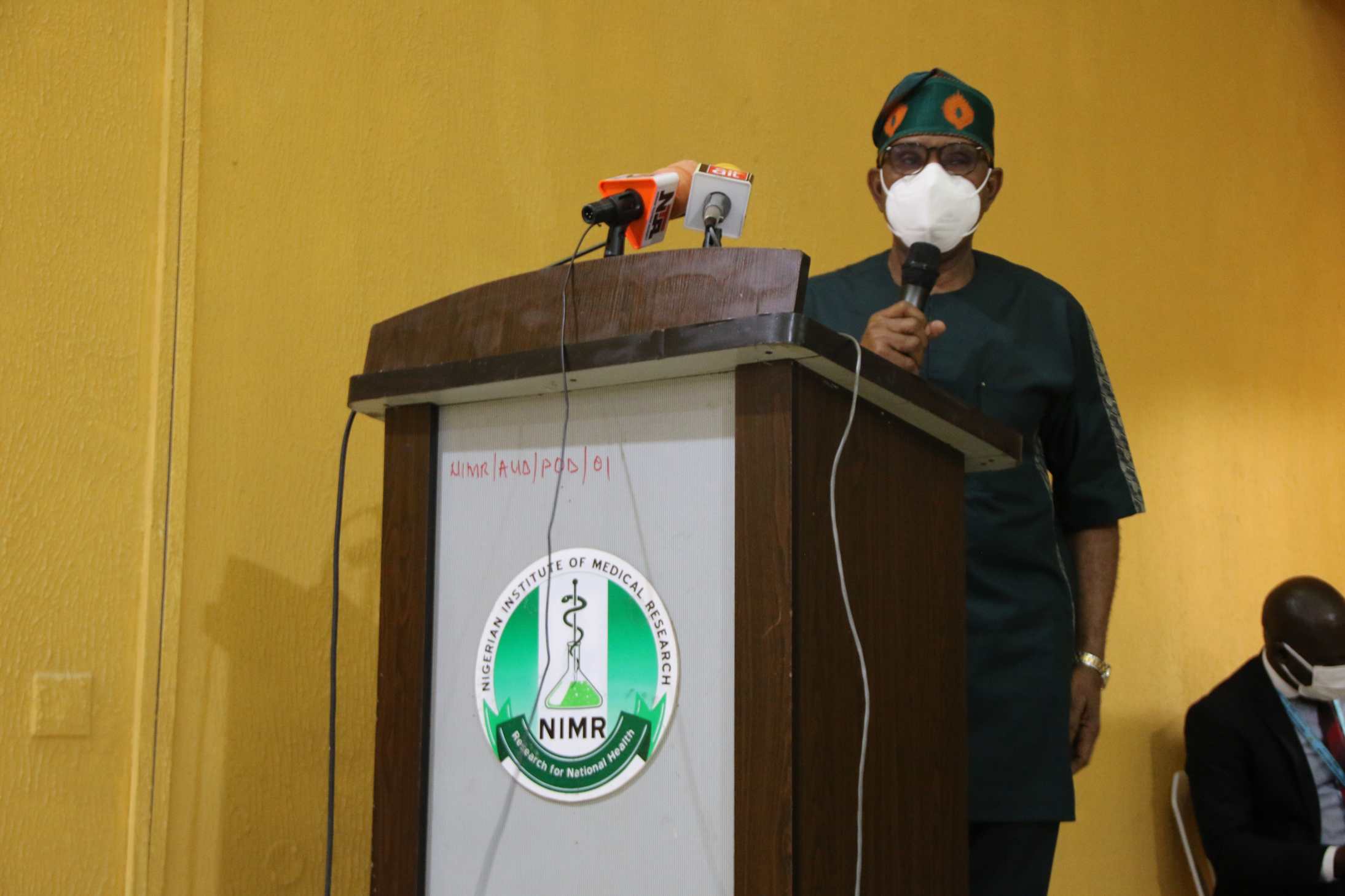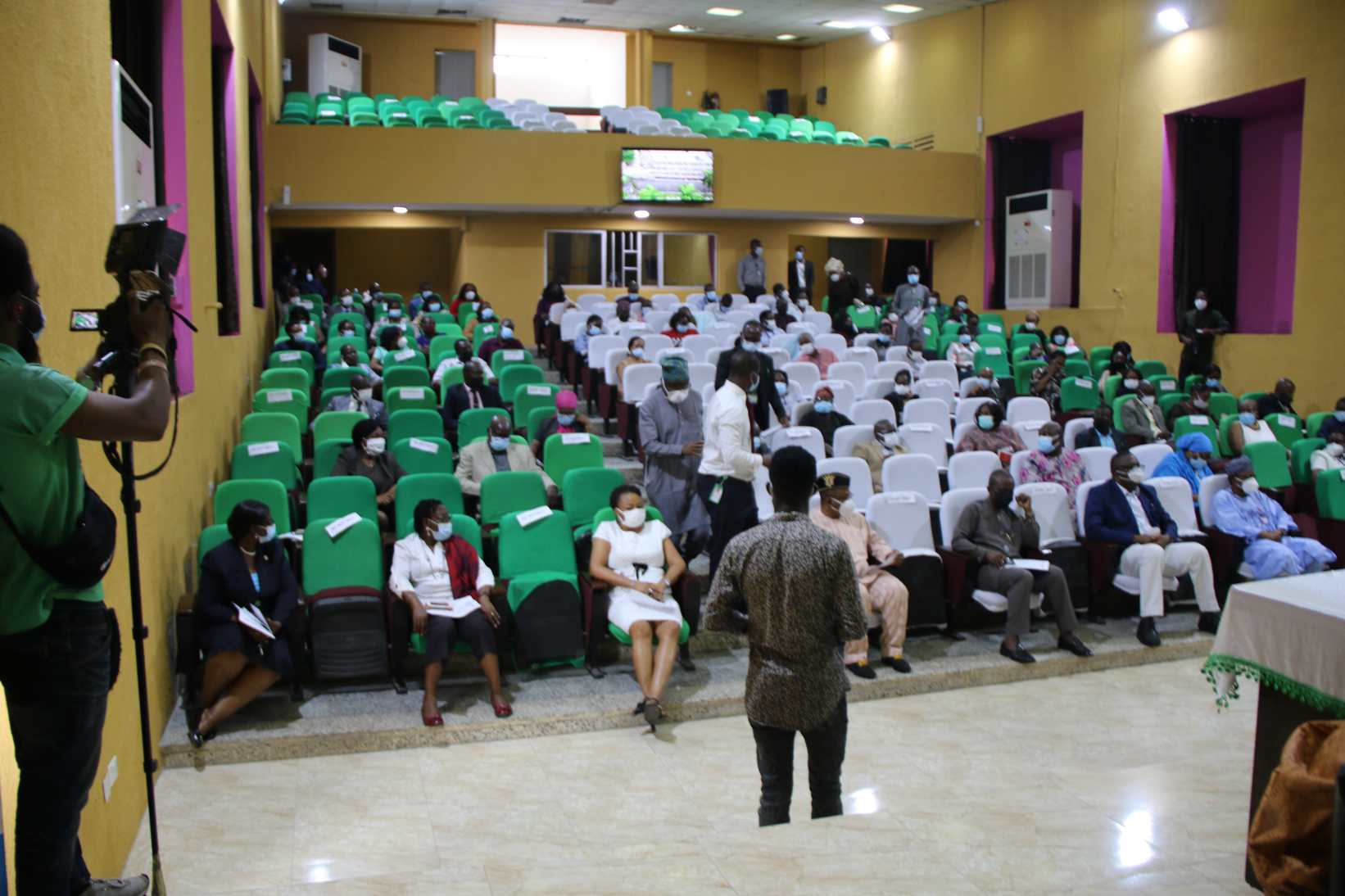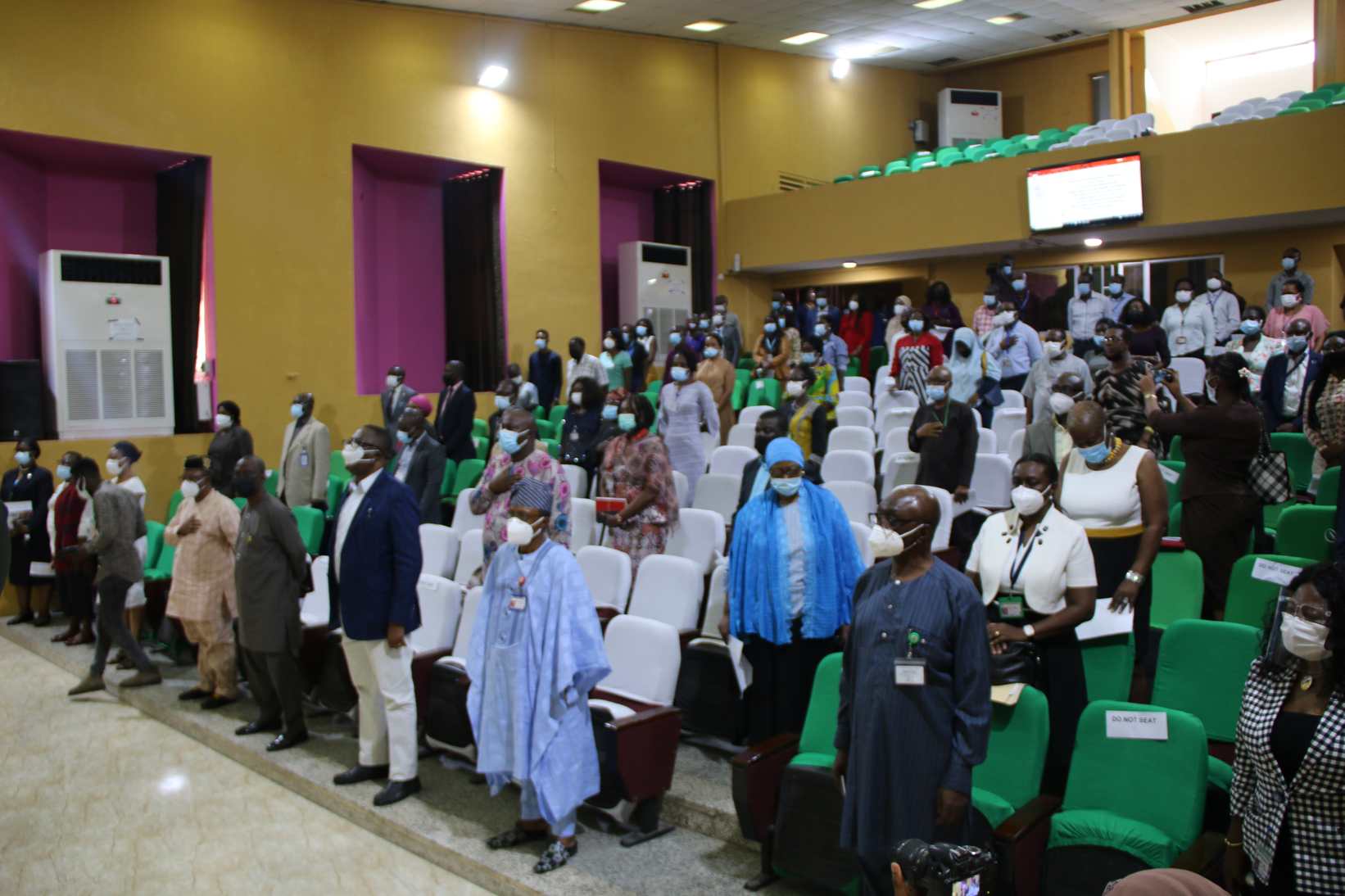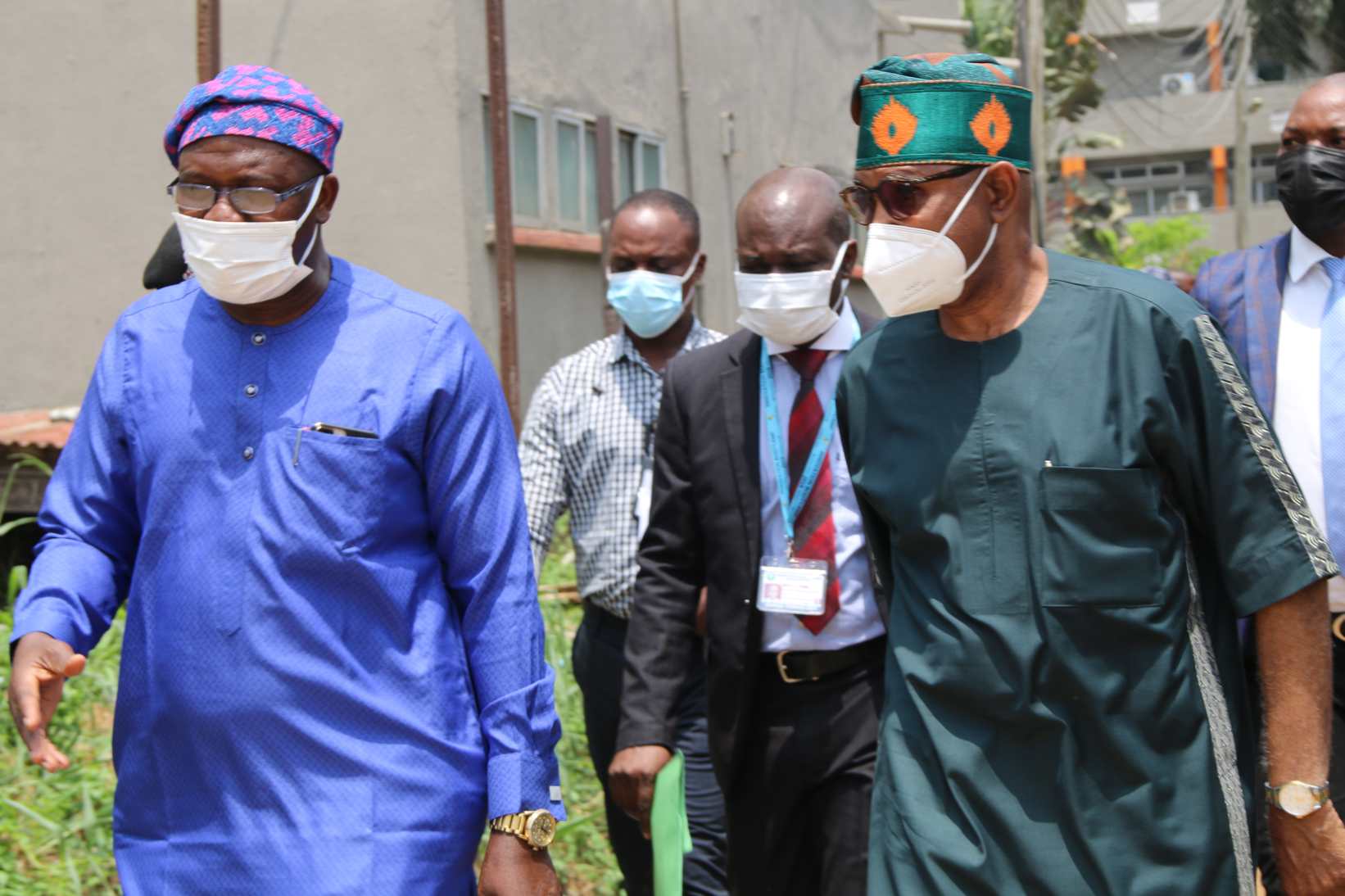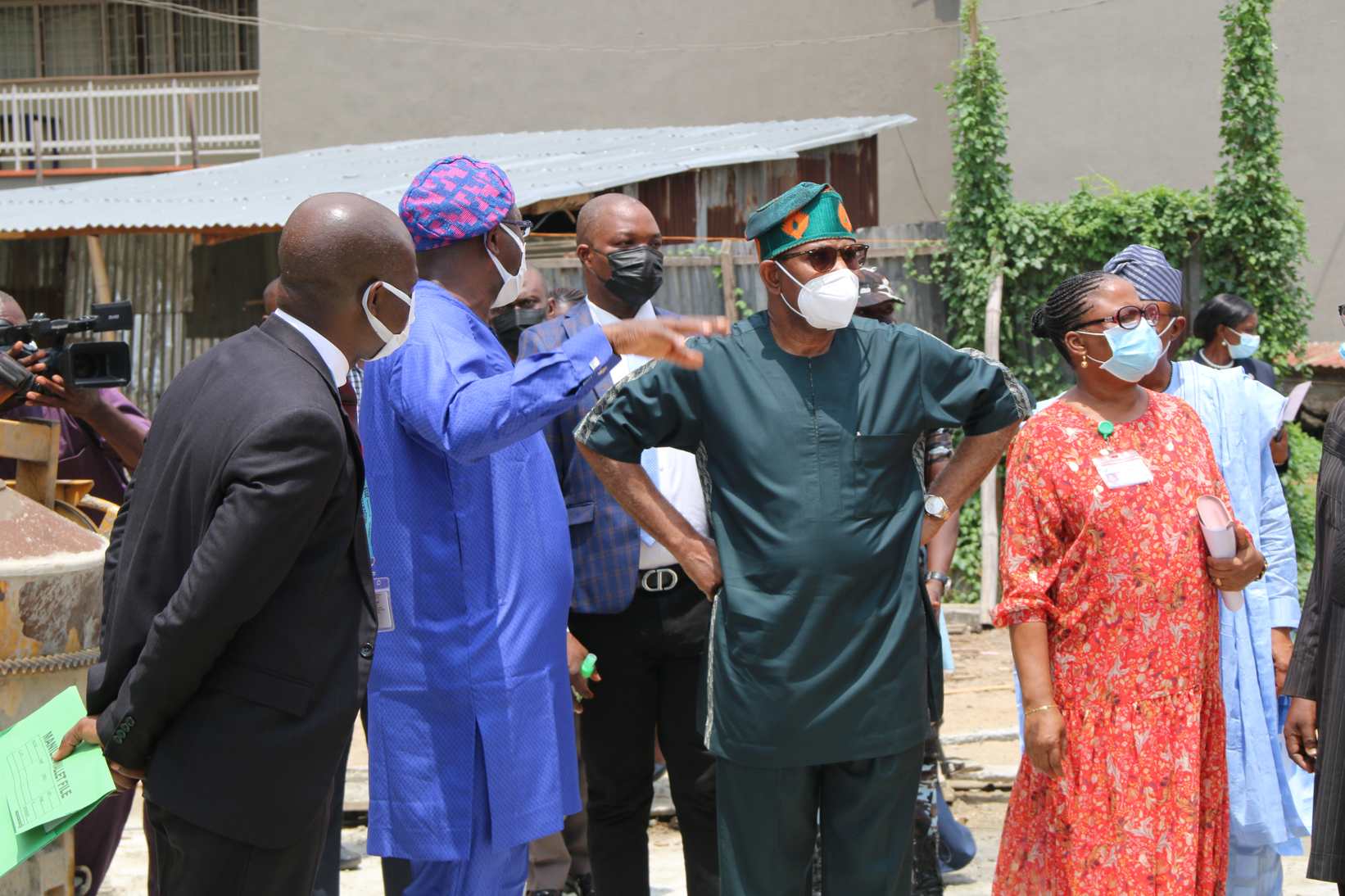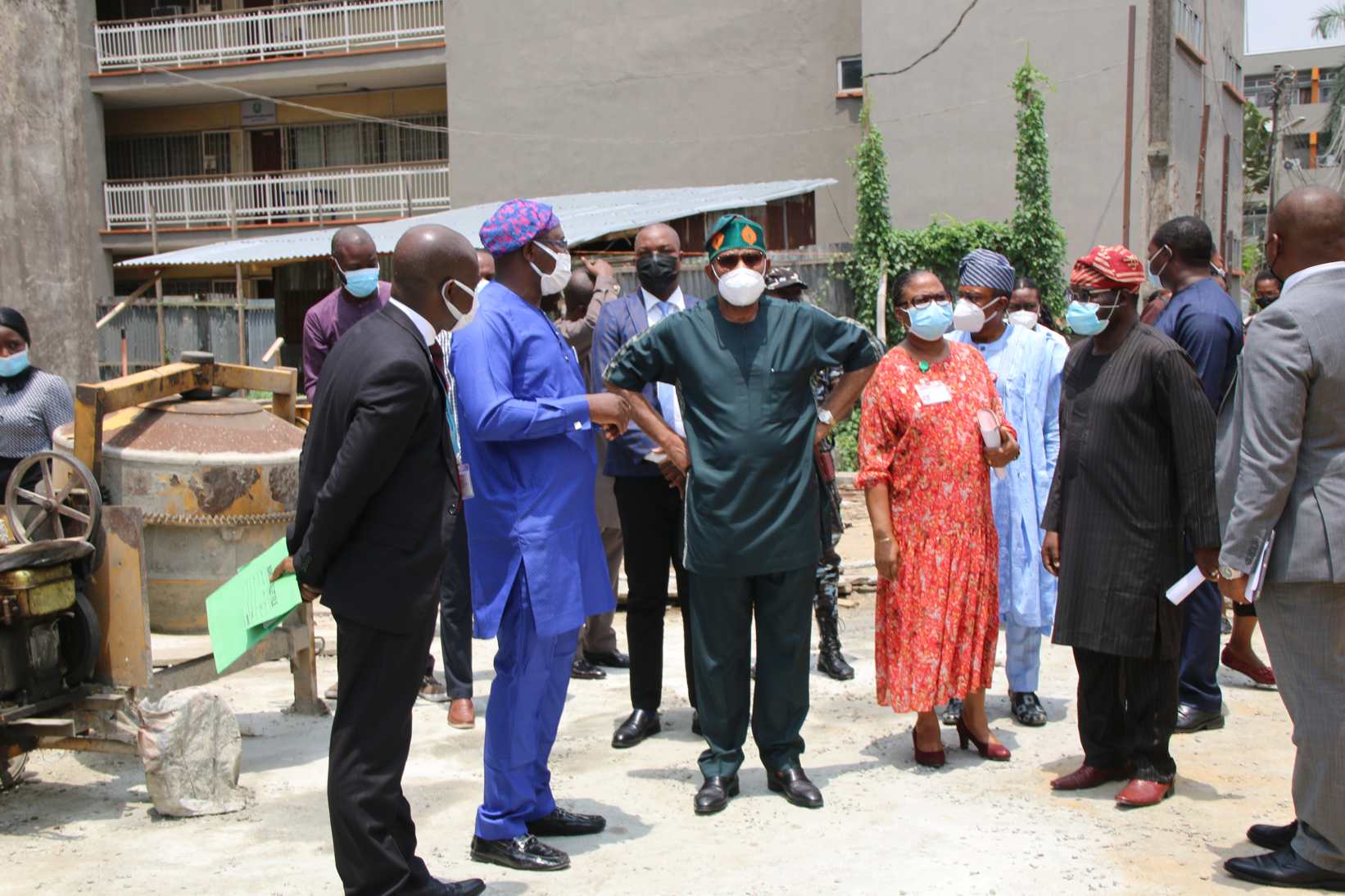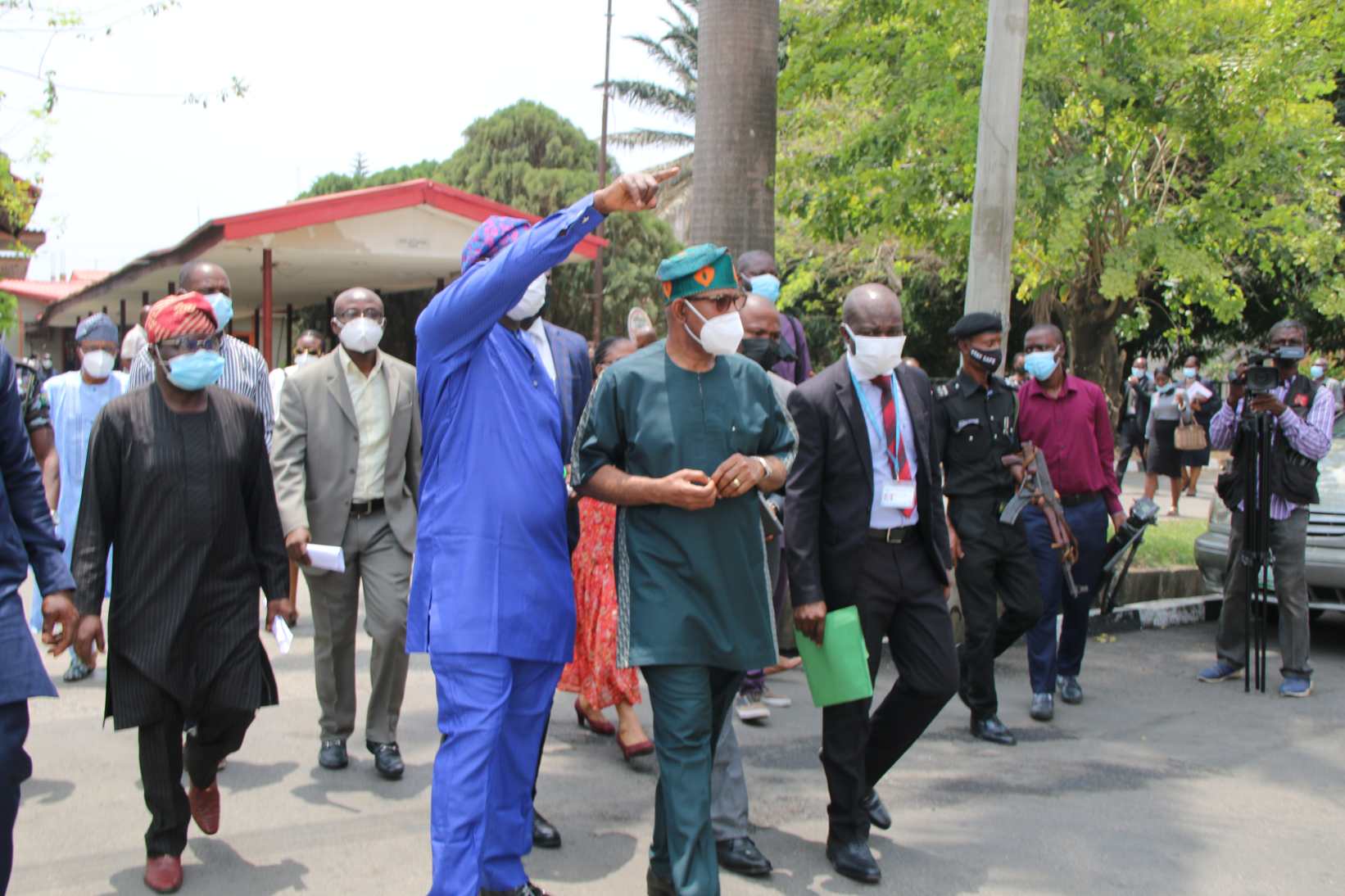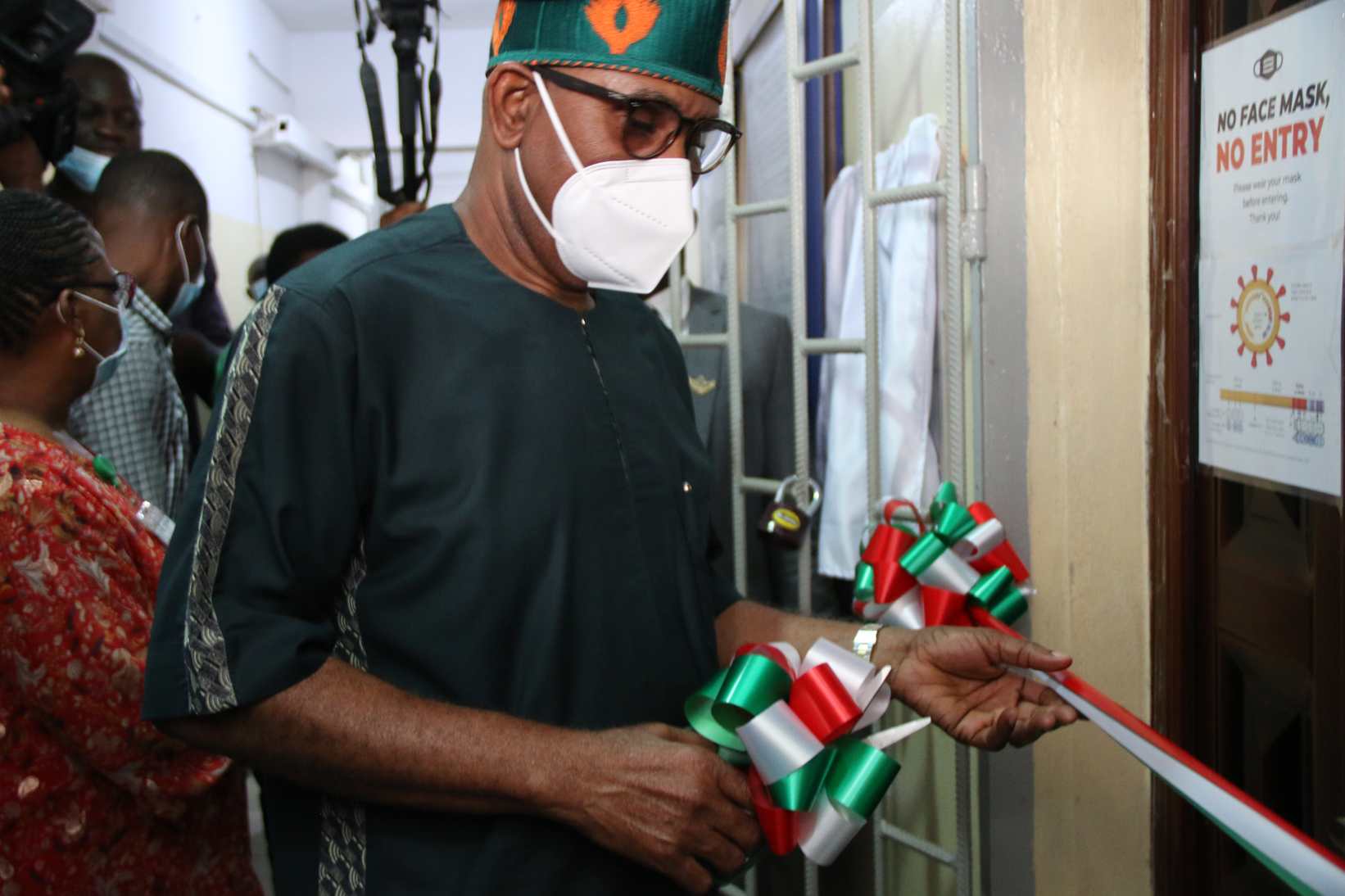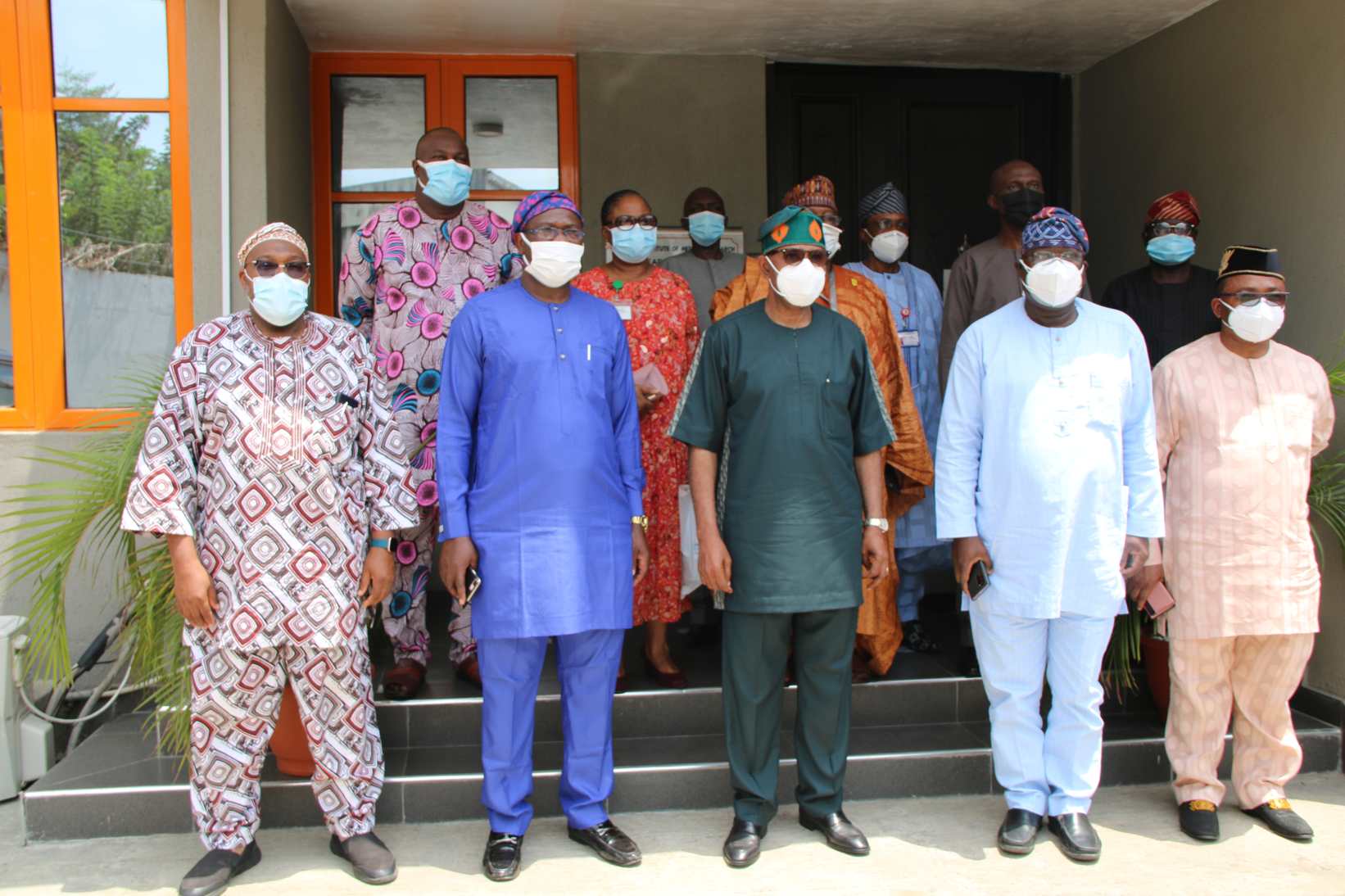



Director General/CEO – NIMR, Prof. Babatunde Lawal Salako (first from right) presented 60 Units of Non-invasive Ventilators to Federal Ministry of Health on 31st August 2020 as part of the institute’s contribution to the fight against COVID -19 pandemic.
The item was received by Dr. Baba Ahmed and his colleague on behalf of the Ministry.

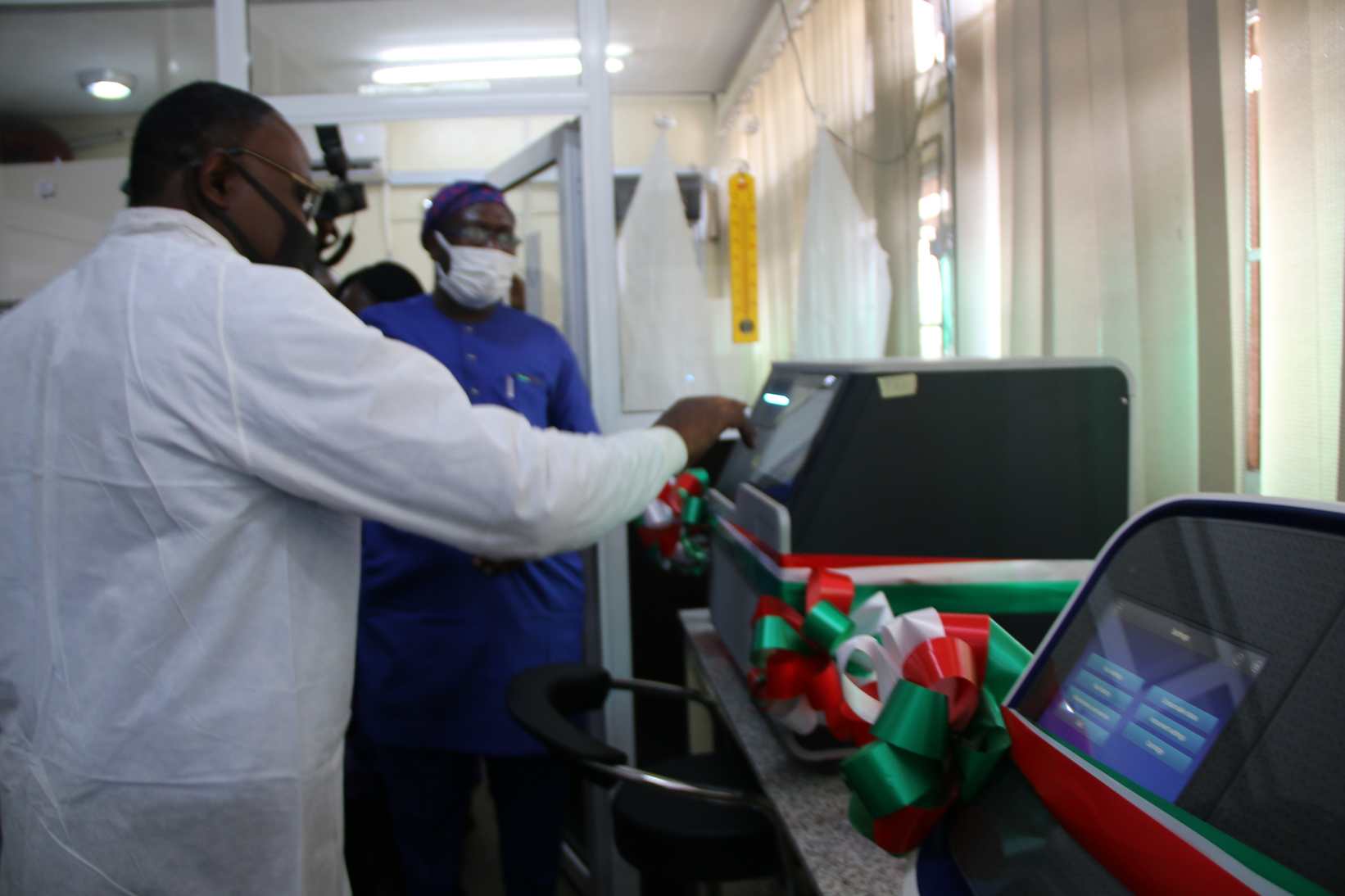
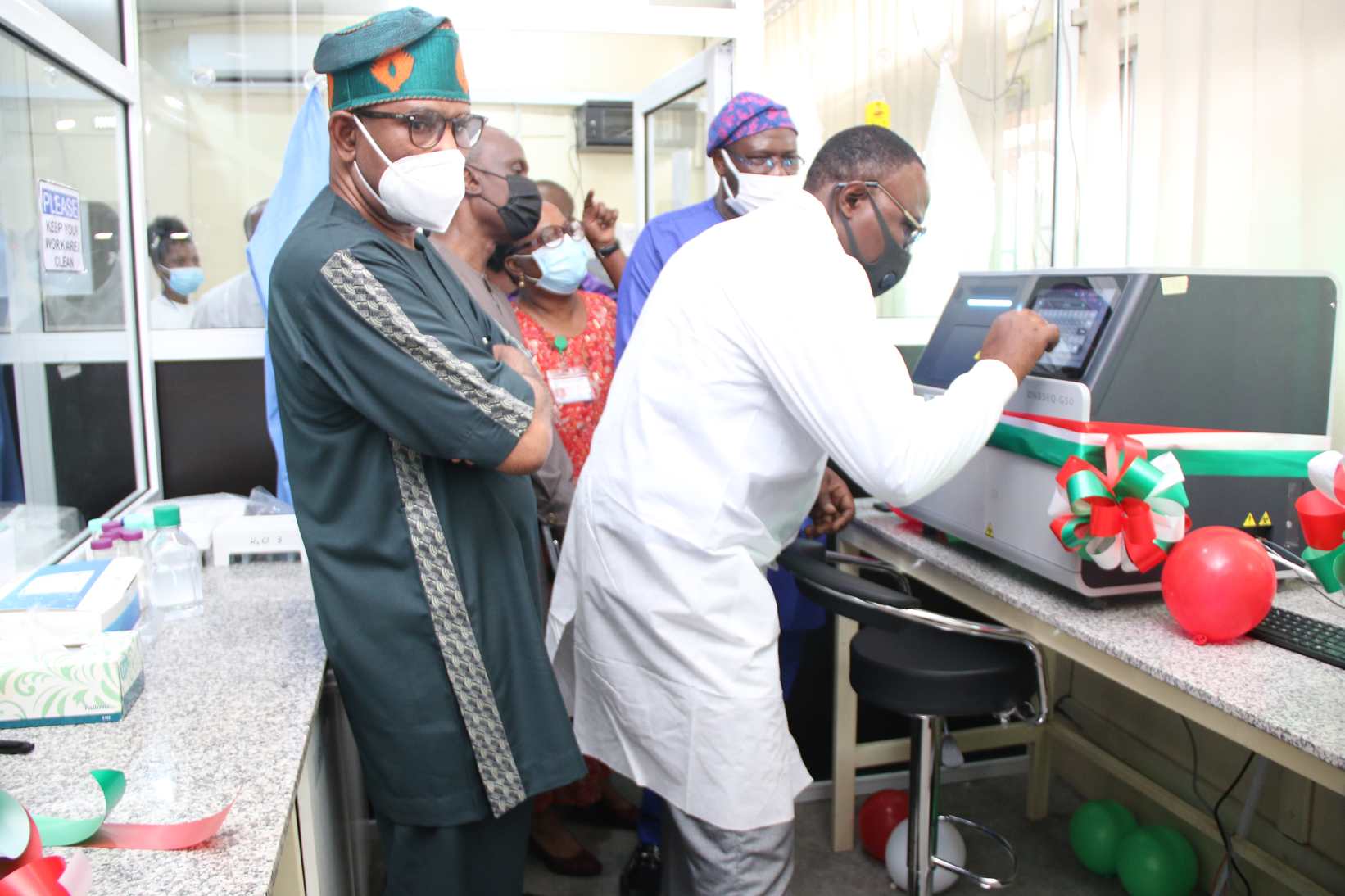
The Nigerian Institute of Medical Research has launched the country’s first set of local Ribonucleic Acid purification kits to help expand the nation’s capacity to test for COVID-19.
In his address at the official commissioning of the kits on Tuesday Tuesday 30th June 2020, Director-General of NIMR, Prof. Babatunde Lawal Salako explained that the local RNA kits would address the perennial problem of test kits shortage in the country and help ramp up daily testing capacity for COVID-19.
“The idea of producing the local Ribonucleic Acid purification kits was conceived after we noticed how its scarcity was delaying tests and other backlogs of samples,”
The product was christened NIMR Biotech Total RNA purification Kit.


The World Health Organization (WHO) has reported a cluster of hantavirus infections associated with international cruise ship travel, involving multiple countries and ongoing public health investigations.
As of 4 May 2026, a total of seven cases — including two laboratory-confirmed and five suspected — have been identified among passengers and crew aboard a Dutch-flagged vessel carrying 147 individuals from 23 nationalities. The cases include three deaths and one patient currently in intensive care.
The ship departed Ushuaia, Argentina, on 1 April 2026 and travelled across the South Atlantic, making stops in Antarctica, South Georgia, Tristan da Cunha, Saint Helena and Ascension Island. It is currently moored off Cabo Verde, where medical teams are evaluating passengers and collecting samples for further laboratory testing.
Available epidemiological information indicates that illness onset occurred between 6 and 28 April, with symptoms including fever, gastrointestinal complaints and, in severe cases, progression to pneumonia, acute respiratory distress and shock. Investigations are ongoing to determine the source of exposure, including whether infections occurred during the voyage or prior to boarding in South America.
Some affected individuals had recent travel history in South America before embarking on the cruise. At this stage, the extent of possible exposure to wildlife or rodent habitats during the journey remains unclear.
Health authorities in Cabo Verde, the Netherlands, Spain, South Africa and the United Kingdom are coordinating response efforts in collaboration with WHO. Measures implemented include case isolation and management, contact tracing, laboratory investigations, and arrangements for medical evacuation where necessary. Passengers onboard have been advised to remain in their cabins where possible and to adhere to strict hygiene and infection prevention measures.
Hantavirus is a zoonotic viral disease primarily transmitted to humans through contact with urine, faeces or saliva of infected rodents, or contaminated surfaces. Human-to-human transmission is rare but has been documented in limited instances involving certain strains, particularly the Andes virus.
WHO has assessed the risk to the global population from this event as low. However, the organisation emphasises the importance of continued vigilance, particularly among travellers, healthcare providers and public health authorities.
There is currently no specific antiviral treatment or licensed vaccine for hantavirus pulmonary syndrome. Early recognition, prompt referral and supportive clinical care — particularly in facilities with intensive care capacity — are critical to improving patient outcomes.
WHO does not recommend any travel or trade restrictions at this time but will continue to monitor the situation and update its risk assessment as more information becomes available.
Public Health Implication
The event underscores the importance of strengthened surveillance for zoonotic diseases, especially in the context of international travel and ecotourism. Public health authorities are advised to maintain vigilance, enhance early detection systems, and promote awareness of preventive measures, including avoiding contact with rodent-infested environments and ensuring proper environmental hygiene.
NIMR Advisory
The Nigerian Institute of Medical Research (NIMR) is actively monitoring the evolving situation in collaboration with global health authorities. The Institute remains committed to providing timely, evidence-based updates and guidance as more information becomes available, while reinforcing national preparedness for the detection and management of emerging infectious diseases.

The Nigerian Institute of Medical Research (NIMR) has unveiled the vast potential of its biobank, which houses over 400,000 biological samples, as a critical resource for advancing disease research tailored to Nigeria’s health needs.
Director-General of the Institute, Professor John Oladapo Obafunwa, disclosed this during a meeting with the Chinese scientific delegation on a visit to the institute on March 28, where he outlined ongoing efforts to reposition NIMR as a hub for data-driven, locally relevant research.
According to him, the biobank—developed over time through research activities and institutional collaborations— offers a unique opportunity to deepen understanding of diseases prevalent in Nigeria.
“If properly managed and fully optimized, the biobank can provide data that is specific to our environment and help us better understand disease patterns and treatment outcomes,” he said.
He explained that beyond developing therapies, NIMR is increasingly focused on generating high-quality data that can inform public health decisions and scientific innovation.
The DG noted that while the biobank is already functional, there is a need for technical support, improved data systems, and enhanced analytical capacity to maximize its value.
“This is an area where collaboration will be extremely beneficial,” he added.
Obafunwa also highlighted the Institute’s contributions during the COVID-19 pandemic, where it played a frontline role in testing and national response efforts, working with a broad network of health professionals and researchers.
In addition, he pointed to ongoing work in diagnostic kit development and clinical trials, supported by an established Institutional Review Board (IRB) that ensures compliance with ethical standards.
Despite these achievements, he acknowledged persistent infrastructure challenges, including the absence of a fully centralized research complex and delays in funding for critical laboratory expansion projects.
The NIMR boss further stressed the importance of building local capacity in advanced fields such as while human genome sequencing, noting that reliance on foreign facilities remains a limitation.
He called for partnerships that will support technology transfer and hands-on training for Nigerian scientists, enabling the country to compete more effectively in global health research.
“We want collaborations that will help us build systems, develop our people, and generate solutions that are relevant to our population,” he said. The meeting concluded with both NIMR researchers and the visiting Chinese scientists exploring avenues for joint research, innovation, and

A high-powered Chinese scientific delegation led by renowned virologist and former Director-General of the China Center for Disease Control and Prevention (China CDC), Professor George Gao has visited the Nigerian Institute of Medical Research (NIMR) to explore opportunities for strategic collaboration in infectious disease research, vaccine development, and capacity building.
The delegation, which included experts from the Chinese Academy of Sciences, China CDC, Peking University, and Shanghai Junshi Biosciences, currently on a visit to some Nigerian health institutions, held extensive discussions with NIMR’s leadership and researchers during the visit to the Institute’s headquarters in Lagos, over the weekend.
Speaking during the meeting, Prof. Gao said the visit was part of ongoing efforts to strengthen scientific partnerships with African institutions, particularly in areas of shared public health concern.
“We are here looking for future collaborations in Nigeria,” he said. “I have worked extensively in Africa and understand the public health landscape. There is a strong basis for partnership.”
Gao, who played a frontline role in virus discovery and vaccine development during the COVID-19 pandemic, noted that global health threats such as emerging and re-emerging infectious diseases require cross-border scientific cooperation.
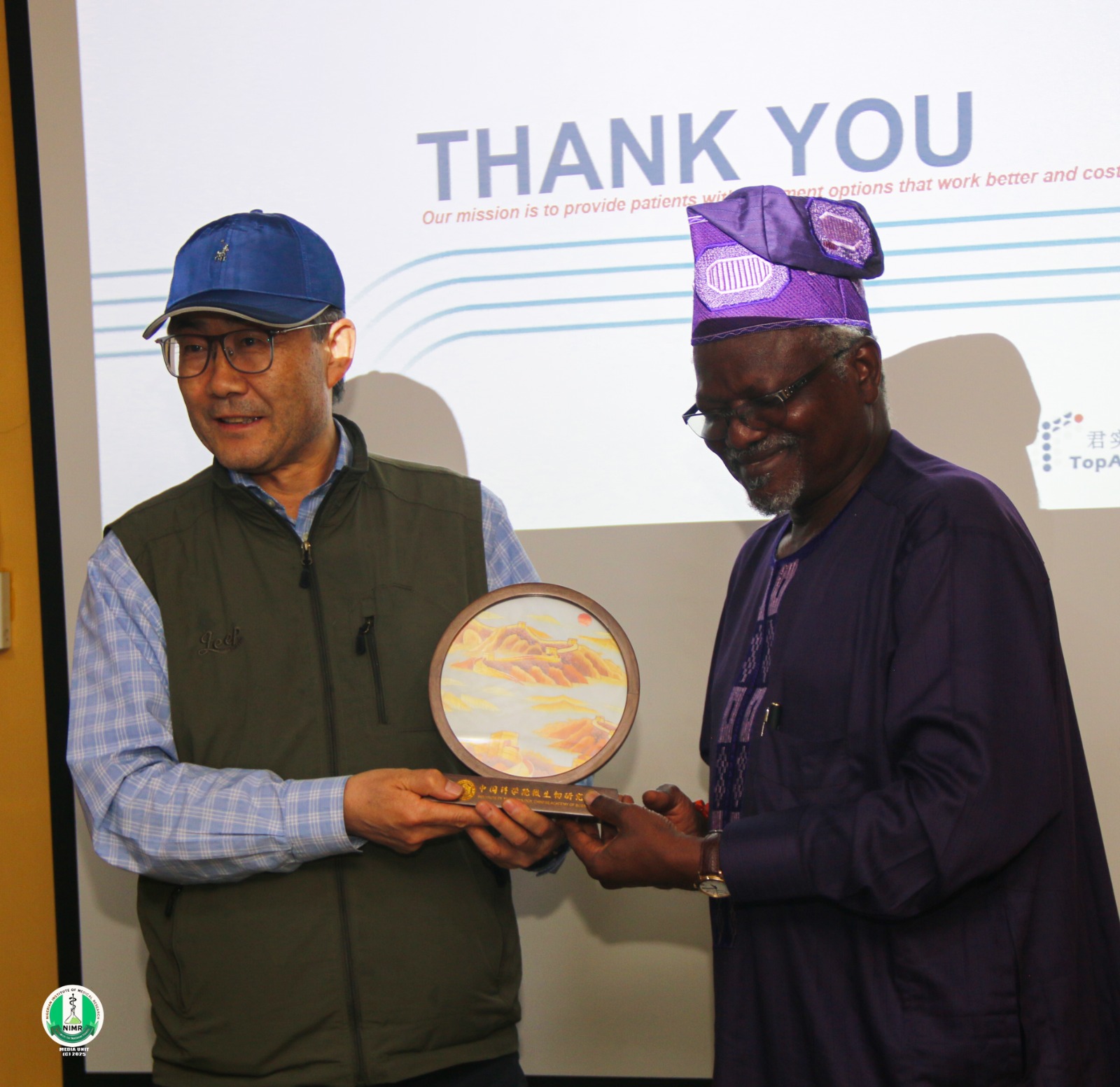
A high-powered Chinese scientific delegation led by renowned virologist and former Director-General of the China Center for Disease Control and Prevention (China CDC), Professor George Gao has visited the Nigerian Institute of Medical Research (NIMR) to explore opportunities for strategic collaboration in infectious disease research, vaccine development, and capacity building.
The delegation, which included experts from the Chinese Academy of Sciences, China CDC, Peking University, and Shanghai Junshi Biosciences, currently on a visit to some Nigerian health institutions, held extensive discussions with NIMR’s leadership and researchers during the visit to the Institute’s headquarters in Lagos, on Saturday March 28.
Speaking during the meeting, Prof. Gao said the visit was part of ongoing efforts to strengthen scientific partnerships with African institutions, particularly in areas of shared public health concern.
“We are here looking for future collaborations in Nigeria,” he said. “I have worked extensively in Africa and understand the public health landscape. There is a strong basis for partnership.”
Gao, who played a frontline role in virus discovery and vaccine development during the COVID-19 pandemic, noted that global health threats such as emerging and re-emerging infectious diseases require cross-border scientific cooperation.
He also highlighted existing professional relationships with Nigerian public health leaders, underscoring a history of engagement between Chinese and Nigerian health institutions.
The visit featured technical presentations from both sides, including cutting-edge research on next-generation vaccine development.
A key presentation by Professor Han Wang of Peking University focused on advances in Mpox vaccine development, with an emphasis on creating safer, more effective, and affordable vaccines tailored for regions with the highest disease burden, including Africa.
According to Wang, current vaccine options face significant limitations, including safety concerns, reduced effectiveness, and high costs—factors that restrict access across many African countries.
“Africa is where vaccines are most needed, yet affordability remains a major barrier,” she noted, citing costs of over $60 per dose for some existing vaccines.
She explained that her team is developing a next-generation, cost-effective vaccine using a novel “chimeric immunogen” approach, designed to improve immune response while simplifying production.
Preliminary findings, she said, show significantly higher immune response levels compared to traditional vaccines, alongside improved safety and potential for broader accessibility.
The research, which is being advanced in collaboration with industry partners, is expected to contribute to global efforts to control Mpox and similar viral outbreaks.
The visit also created a platform for both institutions to explore collaboration in areas such as:
• Vaccine research and development
• Genomic sequencing
• Clinical trials
• Technology transfer and training
• Rapid response to emerging infectious diseases.
Director-General of NIMR, Professor John Oladapo Obafunwa, welcomed the delegation and reaffirmed the Institute’s readiness to partner with global institutions to strengthen Nigeria’s research and innovation capacity.
He emphasized the importance of collaborations that not only advance science but also build local capacity and address health challenges specific to the African context.
Obafunwa said while NIMR has built significant research capacity over the years, there is an urgent need for strategic partnerships that will not only support research but will focus on transition from research to full-scale production, particularly in vaccines and diagnostics.
“We have facilities we can start with, but we are still in the middle of developing full vaccine production capacity,” he said. “With the right collaboration, we can move from potential to impact.”
He reaffirmed NIMR’s commitment to expanding collaborations with both local and international institutions, including the Nigeria Centre for Disease Control (NCDC), the World Health Organization (WHO), and universities within Nigeria, the United States and the United Kingdom, stressing that a bulk of the institute’s work is sourced through international partners.
“But of course, for me, I observe that some of the things that foreign donors/grantors focus on are things that are peculiar to their environment, as opposed to things that are related to our environment. I’m hoping that this relationship (with the visitors) can modify that approach. Of course, there are things that cut across boundaries. But again, we want to possibly concentrate more on things that are common in our environment,” he remarked.
The NIMR boss also highlighted the Institute’s growing capabilities in molecular biology and genomics but stressed the need for advanced technologies and training to reduce dependence on foreign laboratories.
“It is time we looked inward rather than depending on other countries for whole human genome sequencing,” he said, calling for support in technology transfer and capacity building for Nigerian scientists.
Obafunwa, however, pointed to infrastructure and funding gaps as key challenges limiting optimal performance. He disclosed that plans for a centralized, fully equipped research laboratory are yet to materialize due to funding constraints, resulting in fragmented facilities across departments.
The engagement marks a significant step in deepening Nigeria–China cooperation in medical research, with both sides expressing optimism about translating discussions into tangible, high-impact projects.
The Chinese delegates, led by Prof. George Gao, include Dr. Hong Yang also from China CDC; Prof. Haitao Hu, Prof. Jiawxwu Qi, Prof. Likui Wong from the Chinese Academy Of Science; Prof. Ham Wang from Peking University, Zhuobing Zhang and Siyuan Wang from Shanghai Junshi Bioscience Company, Siu Sun of Carloha Nigeria, Rainy Farid Folake, CEO AFKMED Biotech Nigeria Limited and Adelowo Emmanuel, also of AFKMED,
The NIMR team led by the DG, Prof. John Oladapo Obafunwa include: The Head of NIMR Clinical Trial Centre, Dr. David Oladele, Head, Center for Human Virology Dr. Azuka Okwuraiwe, Head Biochemistry and Nutrition Department, Dr. Olusola Ajibaye, Manager, NIMR Biobank Dr. Toyosi Raheem; Dr Victor Akinseye of the Tuberculosis laboratory, Dr. Chika Onwuamah Head, Central Research Laboratory and Mr. Sam Eferaro, the Media Consultant.

… warns of resurgence if ITN coverage is not sustained
The Nigerian Institute of Medical Research (NIMR) has reinforced its leadership in data-driven public health research as one of its scientists, Ms. Wakila Tijani, unveiled a comprehensive malaria transmission model highlighting the risk of resurgence in high-burden states if insecticide-treated net (ITN) coverage is not sustained.
The study, conducted under the Nigeria Modelling Fellowship by the Corona Management Systems, in collaboration with the Federal Ministry of Health, Nigeria Centre for Disease Control (NCDC), World Health Organization (WHO), and the Gates Foundation, analysed malaria cases between 2018 and 2024, integrating epidemiological, climatic and intervention data.
Nigeria continues to bear the highest global malaria burden, accounting for approximately 27 per cent of cases and 31 per cent of deaths worldwide, according to the 2022 World Malaria Report.
“Malaria remains one of the most significant public health challenges in Nigeria,” Ms. Tijani explained. “By applying mathematical modelling to local data, we are able to better understand how transmission occurs and how specific interventions can significantly reduce infection levels.”
Focusing on a high-prevalence state, Imo, with malaria prevalence of 26.2 per cent, Ms. Tijani’s study examined confirmed malaria cases, rainfall patterns, temperature variations, and ITN ownership and usage trends.
The findings show that malaria cases declined sharply between 2018 and 2021 following the 2017 mass distribution of insecticide-treated nets. However, a gradual increase in cases was observed from late 2022 through 2024.
According to the researcher, declining coverage and behavioural adherence could weaken malaria control gains.
“Our findings suggest that the benefits of net distribution campaigns can diminish over time if coverage and usage are not sustained,” she noted. “Regular replacement of nets and continued public awareness are essential to maintaining protection.”
According to Ms. Tijani, this decline in coverage and usage may be contributing to renewed transmission risks.
“While intervention efforts initially reduced malaria transmission, sustaining high coverage and effective usage remains critical to preventing resurgence,” she noted.
Rainfall Identified as Major Seasonal Driver
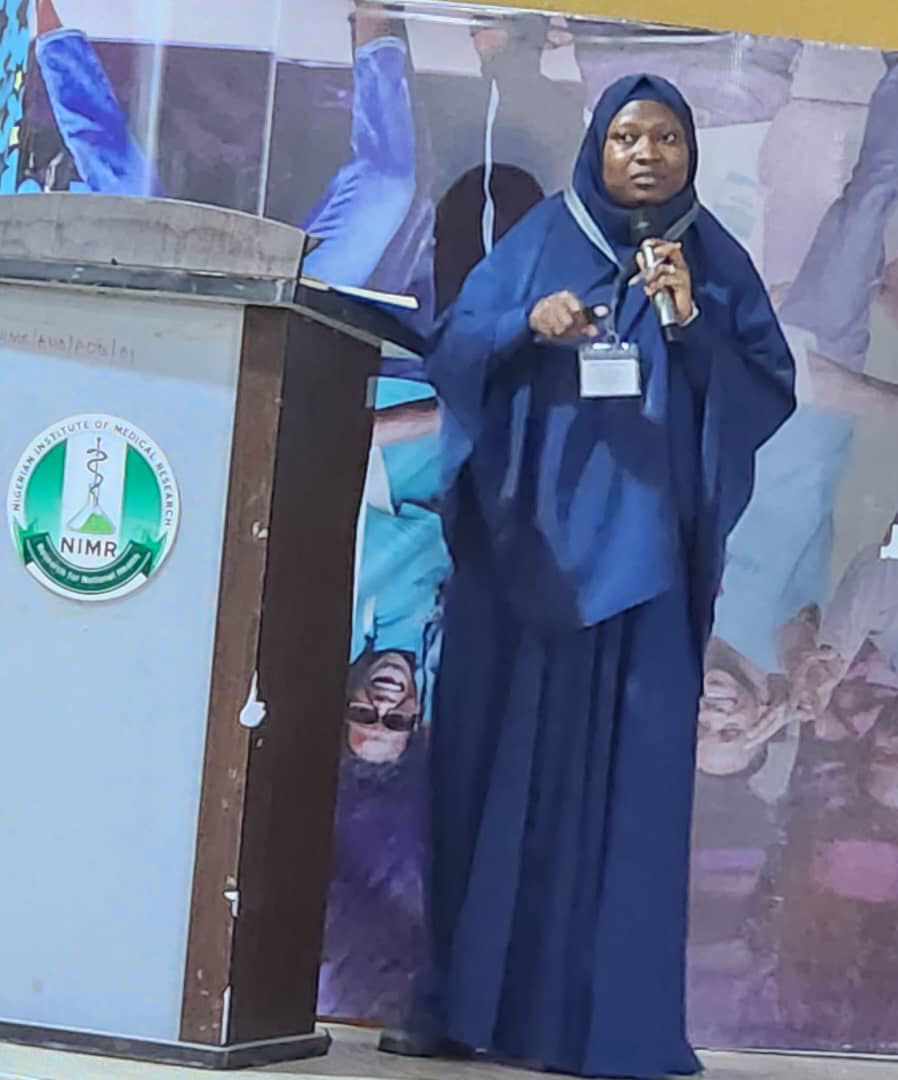
The research also revealed a strong seasonal pattern in malaria transmission. Time-series analysis showed that malaria cases typically increased shortly after rainfall peaks, reflecting the impact of rainfall on mosquito breeding and parasite transmission.
Temperature showed some influence but had a less consistent direct relationship with malaria case spikes.
“Rainfall emerged as a key seasonal driver of malaria transmission in the study area,” the researcher said. “This highlights the need to align malaria interventions with seasonal transmission patterns.”
Ms. Tijani developed a deterministic malaria transmission model incorporating both human and mosquito populations. When intervention measures such as insecticide-treated nets were included in the model, the simulations showed:
However, when intervention parameters were removed, infections remained persistently high.
Further simulations revealed that increasing ITN effectiveness and usage to about 80–90 per cent could significantly reduce malaria transmission, in line with World Health Organization recommendations.
The study estimated the Basic Reproduction Number (R₀) at 2.40 in the absence of intervention, indicating strong transmission potential.
Under ITN intervention, the Effective Reproduction Number fell to 1.10 — an improvement but still above the threshold required to halt sustained transmission.
Sensitivity analysis identified mosquito biting rate, ITN usage, and ITN effectiveness as the most influential drivers of malaria transmission.
The study provides strong evidence for:
Also, the study demonstrates the value of localised mathematical modelling in guiding malaria control efforts and supporting national elimination goals.
Commenting on the implications of the findings, the Director-General of NIMR, Professor John Oladapo Obafunwa, emphasised the importance of evidence-based strategy in malaria control.
“Nigeria cannot eliminate malaria with assumptions — we must eliminate it with evidence. This modelling study from NIMR demonstrates clearly that sustained intervention coverage, particularly with insecticide-treated nets, is not optional but essential.
“At NIMR, we are strengthening Nigeria’s capacity to generate the data, models and predictive tools required for precision public health. Our commitment is to ensure that national and subnational malaria control strategies are guided by rigorous scientific evidence. With sustained political will, adequate coverage, and climate-informed planning, malaria elimination in Nigeria is achievable.”
Through initiatives such as the Nigeria Modelling Fellowship Programme, NIMR continues to build indigenous capacity in advanced epidemiological modelling, contributing evidence-based insights to national and global malaria elimination efforts.

The Nigerian Institute of Medical Research (NIMR) wishes to inform members of the public of the existence of a fake LinkedIn account impersonating the Director-General of the Institute, Professor John Oladapo Obafunwa.
The fraudulent account has been used to send misleading messages, including offers relating to procurement, contracts, or other forms of business engagement. The Institute wishes to clarify that all official engagements with vendors, contractors, partners, and members of the public are conducted strictly through recognised institutional channels and not through unsolicited social media messages.
NIMR further states that Professor John Oladapo Obafunwa maintains only one official LinkedIn account under his full name. Any other LinkedIn or social media account claiming to represent him, including accounts operating under name variations, is false, unauthorised, and does not emanate from the Director-General or the Institute.
Members of the public are advised to disregard, avoid engagement with, and report such impersonating accounts to the relevant social media platforms.
The Institute is taking appropriate steps to address this misrepresentation and to protect the public from potential fraud.