The Nigerian Institute of Medical Research (NIMR) has unveiled the vast potential of its biobank, which houses over 400,000 biological samples, as a critical resource for advancing disease research tailored to Nigeria’s health needs.
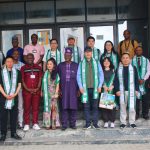
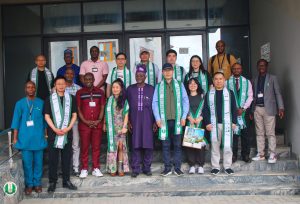
Director-General of the Institute, Professor John Oladapo Obafunwa, disclosed this during a meeting with the Chinese scientific delegation on a visit to the institute on March 28, where he outlined ongoing efforts to reposition NIMR as a hub for data-driven, locally relevant research.
According to him, the biobank—developed over time through research activities and institutional collaborations— offers a unique opportunity to deepen understanding of diseases prevalent in Nigeria.
“If properly managed and fully optimized, the biobank can provide data that is specific to our environment and help us better understand disease patterns and treatment outcomes,” he said.
He explained that beyond developing therapies, NIMR is increasingly focused on generating high-quality data that can inform public health decisions and scientific innovation.
The DG noted that while the biobank is already functional, there is a need for technical support, improved data systems, and enhanced analytical capacity to maximize its value.
“This is an area where collaboration will be extremely beneficial,” he added.
Obafunwa also highlighted the Institute’s contributions during the COVID-19 pandemic, where it played a frontline role in testing and national response efforts, working with a broad network of health professionals and researchers.
In addition, he pointed to ongoing work in diagnostic kit development and clinical trials, supported by an established Institutional Review Board (IRB) that ensures compliance with ethical standards.
Despite these achievements, he acknowledged persistent infrastructure challenges, including the absence of a fully centralized research complex and delays in funding for critical laboratory expansion projects.
The NIMR boss further stressed the importance of building local capacity in advanced fields such as while human genome sequencing, noting that reliance on foreign facilities remains a limitation.
He called for partnerships that will support technology transfer and hands-on training for Nigerian scientists, enabling the country to compete more effectively in global health research.
“We want collaborations that will help us build systems, develop our people, and generate solutions that are relevant to our population,” he said. The meeting concluded with both NIMR researchers and the visiting Chinese scientists exploring avenues for joint research, innovation, and