NIMR Scientists Return from South Africa, Push mRNA Vaccine Project to New Level
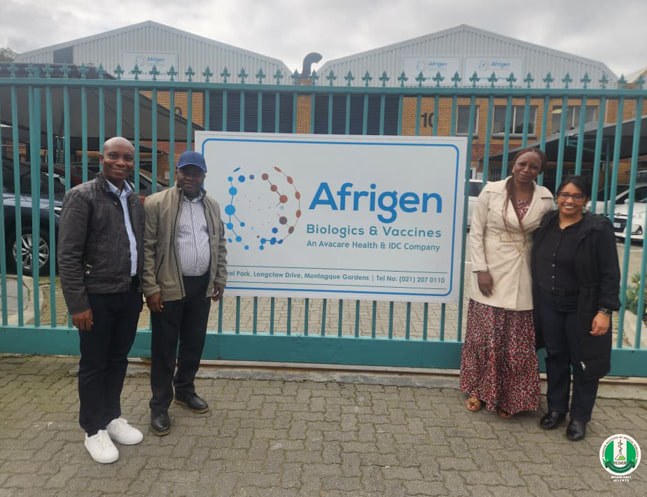
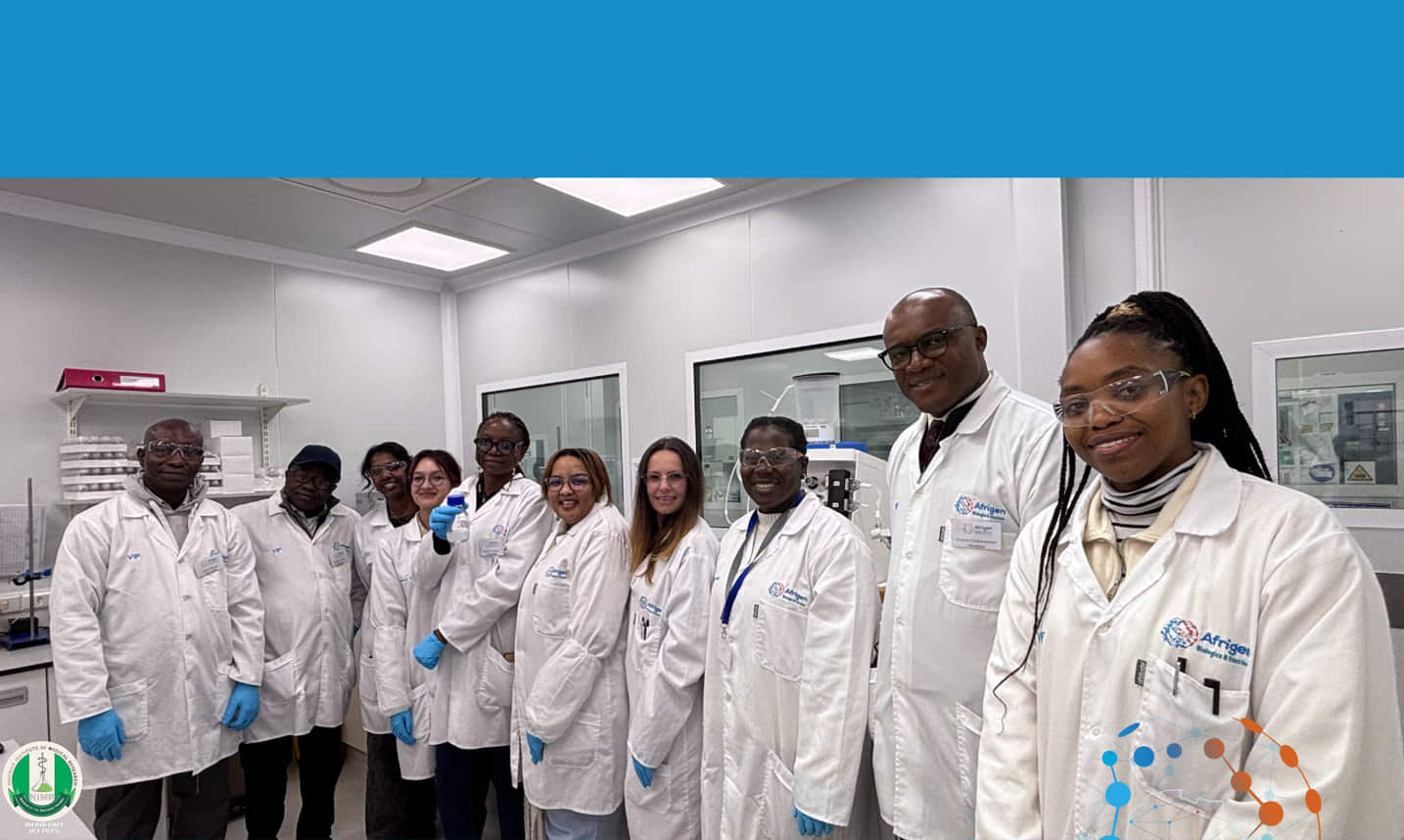
Nigeria’s dream of local vaccine production is fast becoming a reality as the Nigerian Institute of Medical Research (NIMR) has entered an advanced phase in its Messenger RNA (mRNA) vaccine development programme. This milestone follows the completion of an intensive three-week mRNA technology transfer training at Afrigen Biologics and Vaccines in Cape Town, South Africa, by NIMR scientists.
The training, which ran from September 1 to 19, 2025, marks a critical stage in the implementation of NIMR’s mRNA research programme — a key component of Nigeria’s long-term plan to achieve vaccine independence and strengthen national health security.
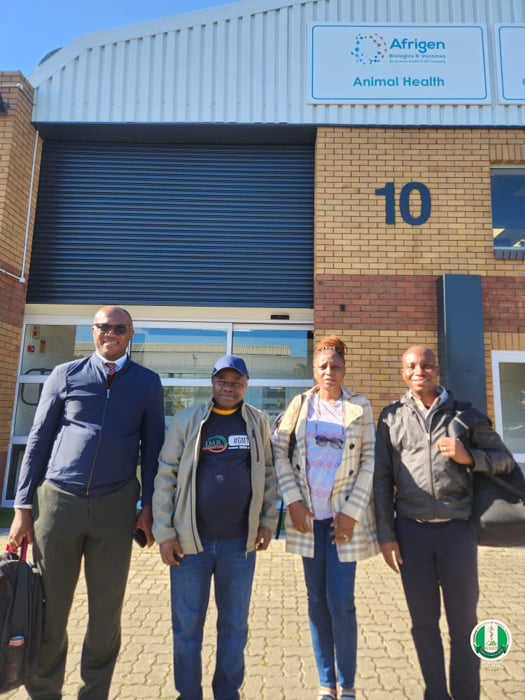
The centre, led by Dr. Tajudeen Bamidele Akanji, nominated two additional researchers — Dr. Rebecca Oziohu Omosimua and Dr. Azuka Patrick Okwuraiwe — to participate in the training, while Mr. Everest Chukwunonso Okeakpu represented BVNL.
Inside the Three-Week Training
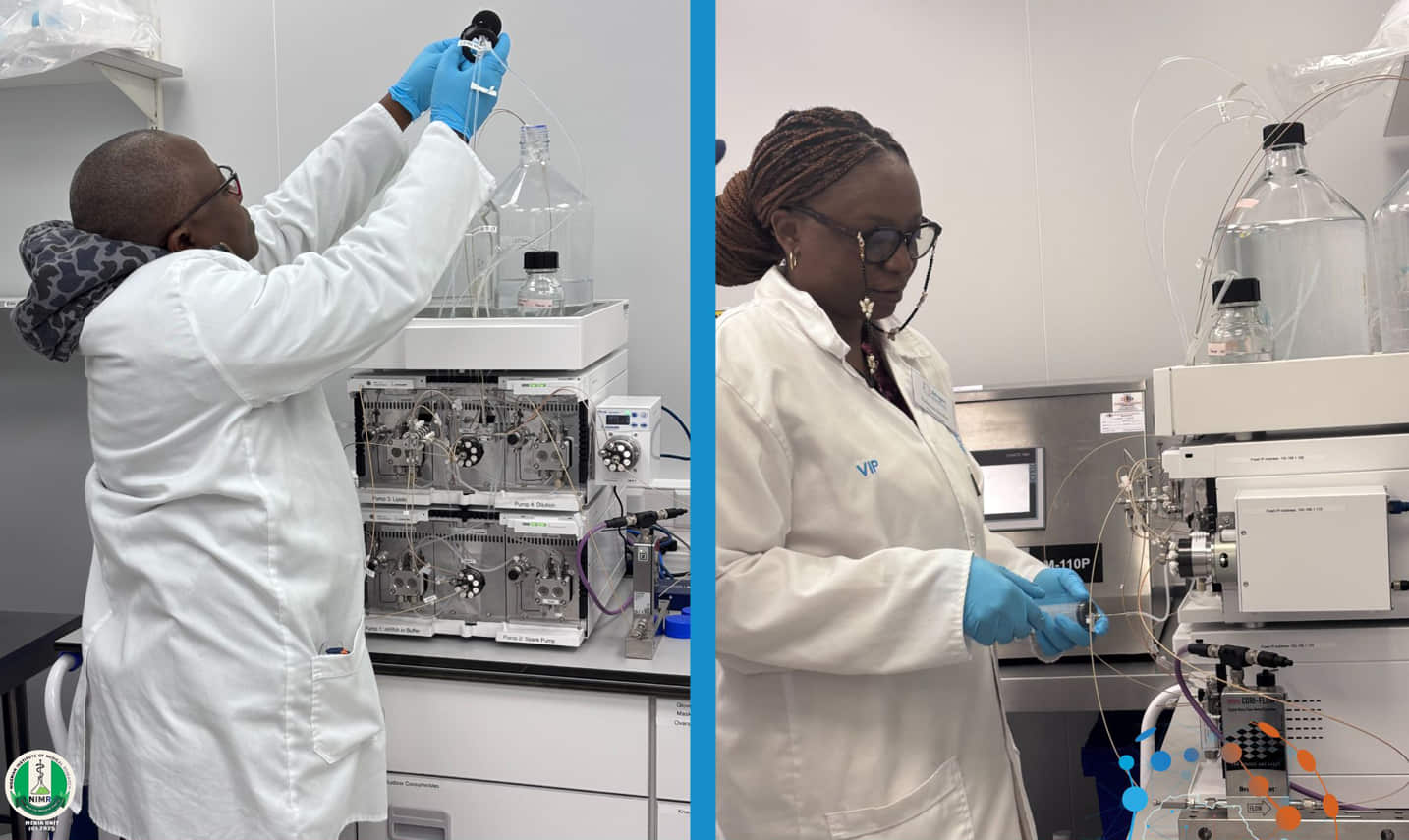
The training at Afrigen was structured into three intensive phases covering biosafety, plasmid DNA (pDNA) processing, mRNA synthesis, purification, encapsulation, and analytical characterization.
• Week One (September 1–5): Participants were introduced to biosafety protocols and facility operations. The team conducted pDNA linearization, agarose gel electrophoresis, and in vitro transcription (IVT) to generate mRNA. Advanced purification techniques using AKTA chromatography and Tangential Flow Filtration (TFF) were also applied to obtain high-quality mRNA drug products.
• Week Two (September 8–12): The focus shifted to formulation and analytics. Researchers performed product encapsulation using ethanol, lipids, and sodium acetate — a critical process for stabilizing mRNA vaccines. Quantitative PCR (qPCR) was used to assess purity, while various analytical methods evaluated encapsulation and capping efficiency.
• Week Three (September 15–19): The final stage involved product integrity testing and cell expression studies. Using techniques such as High-Performance Liquid Chromatography (HPLC), Capillary Gel Electrophoresis (CGE), and spectrophotometry, the team validated the biological activity and quality of the synthesized mRNA. Although the zeta potential test revealed minor inconsistencies, results were generally successful, putting the NIMR-BVNL team at par with global counterparts.

A Leap Forward for Nigeria
Upon conclusion, the training was adjudged a major success. Comparative analyses among participating countries placed Nigeria’s NIMR-BVNL team among the best performers, demonstrating technical mastery and readiness to scale up production to Good Manufacturing Practice (GMP) level.
According to internal assessments, Afrigen experts commended the Nigerian team’s diligence and technical competence, noting that such mastery often comes only after repeated process trials.
Challenges and Recommendations
Despite the success, participants reported challenges, including limited welfare support during the training period. While lunch was provided, other living expenses were largely self-funded. The team, however, expressed strong commitment to national service, emphasizing that the experience must translate into tangible outcomes for Nigeria’s vaccine independence drive.
To sustain the momentum, NIMR and BVNL jointly recommended adequate and consistent funding, timely provision of laboratory infrastructure, and enhanced staff motivation to prevent the newly acquired technology from lying dormant.
“The investment in human capital must be matched with investment in facilities and incentives,” the report stated. “Our goal is not just to learn but to make Nigeria a hub for vaccine production in Africa.”
Towards Vaccine Self-Reliance
The mRNA technology transfer programme represents a turning point for Nigeria’s biomedical research ecosystem. With NIMR now fully equipped to adapt and produce mRNA-based vaccines locally, experts believe the country is on course to reduce dependence on foreign imports, respond swiftly to future pandemics, and strengthen its public health resilience.
As Professor Obafunwa noted during earlier discussions, “The lesson of COVID-19 is that no nation can truly be safe until it can produce its own vaccines. NIMR is proud to be leading Nigeria in that direction.”
Global Initiative for Local Vaccine Production
The global mRNA technology transfer initiative was launched in response to the devastating impact of the COVID-19 pandemic. Led jointly by the World Health Organization (WHO) and the Medicines Patent Pool (MPP), the programme aims to build sustainable, locally owned mRNA manufacturing capacity across low- and middle-income countries (LMICs).
Under the initiative, the South African consortium — comprising Afrigen Biologics, Biovac, and the South African Medical Research Council — serves as the technology hub responsible for developing an mRNA platform and transferring it to 14 partner countries, including Nigeria.
In October 2022, Biovaccines Nigeria Limited (BVNL) signed a formal agreement with the MPP to facilitate this technology transfer. NIMR was designated as the research and development (R&D) arm of the Nigerian partnership, underscoring its leadership role in biomedical research and innovation.
Preparing for Technology Transfer
Ahead of the training, a high-level meeting was held between NIMR, WHO, and MPP officials in Lagos to assess the institute’s readiness. The Director-General of NIMR, Professor John Oladapo Obafunwa, had earlier inaugurated a dedicated Centre for Vaccine Research and Development within the institute to coordinate all vaccine-related activities.